
So Much Happier Blog

Goals? Ugh.
“Joy, rather than happiness, is the goal of life, for joy is the emotion which accompanies our fulfilling our natures as human beings. It is based on the experience of one’s identity as a being of worth and dignity.”

Goals are a tricky thing. While many of us have heard about the importance of having clear goals defined to draw us forward, there are numerous pitfalls that divert us from enthusiasm in this area. The main message of most advice in this area can be summed up by the slogan, “Just do it.” We’re expected to man up, push past misgivings, write out goals, and then place timelines on them and drag ourselves by the hair, come hell or high water, toward the finish line. While I do think that this approach can inspire and work well for a small sample of the population, I think for most it’s either vastly unappealing such that goals are never written, or it’s not detailed or enjoyable enough to work any sort of magic for us over time—and most worthy goals take time to achieve. If the standard two-step idea motivates you, that’s great. Carry on! But if not, below are some things I can offer in order to help you gain access to the benefits of working with goals in supportive ways. We’re not actually going to look at a detailed process for doing that this week, we’re just considering the patterns that get in the way of our entering the process at all.
· Let’s start at the beginning. Goals are supposed to be inspiring, exciting, joyful visions of a future result you’d love to create. It’s easy to lose sight of this basic truth amidst all the “motivational” rhetoric. Thinking about goals this way sounds non-threatening and fun, right? Except…
· We think that if we decide on and/or write down a goal, that’s it. It can’t be modified, and if we don’t get to it inside of the amount of time that we’ve assigned to it, that means we’ve failed and all is lost. This “proves” that we’re never going to have the things we want. We’ve been here before and it feels terrible, especially because…
· We know how hard we are on ourselves in our own minds. Vicious, really. Usually more so than anyone else in our lives, though we doubtless learned some of this from others along the way—we just ran further with it so that no one can say anything to us we haven’t already said to ourselves
· Knowing this, the idea of having an optimistic goal brings up tension and the projected misery we know we’ll experience if anything goes wrong—which it will, because no process is ever perfect! Suddenly this seems like a cycle that’s to be avoided at all costs, because the result is not joyful attainment, but the disturbance of our peace and self-esteem
Sound familiar? And yet, people who do have written goals that they actively engage with daily are more likely to achieve the things they want; if we can just get past some of these unpalatable associations with goals, better progress might be in store. How about some improved conceptual guidelines:
· Let’s rethink. Realistic goals cannot be inflexible. That just doesn’t make any sense. In this chaotic, messy world, nothing ever goes as planned, so how is it logical to think that we can project an exact estimate of any road between where we are and where we want to be? Goals need to be living, breathing plans that we can continually adjust as the process unfolds. The act of changing them needs to be seen as a normal, even enjoyable, part of your interaction with the original idea and the realities of life on Earth. Sometimes, the unexpected will happen. Count on it. When it does, I’m not saying you need to abandon the vision—that’s what makes all the work and adjustment worthwhile—just adjust your concept of the path toward it
· Assigning time deadlines to the overall goal, and the steps you think will get you there, helps in your planning, and can help keep you on track by giving you something to shoot for—but these will always be arbitrary to some degree. What you want to do is choose an amount of time that seems somewhat challenging, but still allows you to feel excited about the project. You can and very well may change it later
· If people around you tend to be judgmental, you don’t have to tell them all the details of what you’re doing and planning. It’s generally best to share the nitty gritty only with those who you know can be trusted to be supportive and helpful
· It’s important to introduce humor into the process where you can. Working toward goals will tend to require some tasks that you don’t find enjoyable, but the whole thing will go much more smoothly if you can lighten the mood when you find yourself struggling. Also, remind yourself that growth and change usually involve growing pains, and that’s normal and ok. But you don’t need to be miserable, and in fact you’ll be a lot less productive and creative if you are. You can take breaks and ask for help, and you should do both as needed
· Many people who have become hugely successful went through a lot before that success arrived. What they did not do is give up on themselves or decide that they were failures when things went awry. Everyone spirals into negative self-talk sometimes, but only you get to decide how you will value yourself. Missing a deadline or goal NEVER has to mean anything permanent about you. While we’re alive, we can still change and learn, and doing these things is some of the most thrilling stuff in life. When necessary, you will take a break, get some perspective and some rest, and then regroup
· You will spend time every day thinking about and consciously enjoying the idea of having what it is that you intend to create. This habit is everything. It supercharges your ability to stay positive and in the game. As soon as you lose the ability to enjoy your vision, your motivation will crumble. This is actually the single most important part of the entire process, because the vast majority of people are most powerfully motivated by pleasure, NOT by pain or avoidance of misery
· You always retain the right to reshape your process or vision based on the experiences you’re having in the pursuit of your goal. You might decide that your original plan doesn’t seem to be the best way forward, or you might need to add steps and more time. You might even decide, once you’ve gotten a taste of progress, that you need to rethink the ultimate goal, because it no longer seems like a good expression of what you want. You remain in the driver’s seat. You’re the decision maker regarding what you want your life to be about. It’s ok to keep tinkering with the vision as you go even if no one else understands what the heck you’re doing. It’s your life! And we don’t always know what will be satisfying until we try it out in practice
I hope you’re starting to see that the point of goals is not to hold yourself to impossibly rigid standards or abuse yourself if all does not go according to plan. The point is to spur you toward a quest for greater achievements, and the experience of greater joy, than you’re likely to just stumble into without clarity and inspiring challenge. Making and working toward them can and should be fun! You can make it so! Let these ideas stew a bit, and next time we’ll consider the details of how to get started with a helpful vision and map out a process.

The Virtues of Lazing Out
“If a man insisted always on being serious, and never allowed himself a bit of fun and relaxation, he would go mad or become unstable without knowing it.”

I don’t know anyone who doesn’t have a busy, demanding life. Some have more obligations than others, and just meeting the demands of daily life can take up all one’s time and energy, but it seems like pretty much everyone has a lot to do these days. Maybe this is because even if we’re blessed with leisure time, it’s a small world now that we can see in real time what’s going on oceans away, so we feel called to participate more than ever. Maybe it’s partly peer pressure; if everyone else is running at a breakneck pace, it seems like we should be keeping up. Or maybe it’s just because we have so many options, and trying things, having adventures, is fun. Whatever it is that keeps you busy, you are not a machine. It’s important to find ways to relax and breathe even in the midst of a full daily routine. If you don’t, you’ll burn out, get sick more often, feel less energetic and enthusiastic, and have trouble focusing on being where you are in each moment; your performance and your attitude will spiral downward, and everything will feel more difficult than it needs to.
We’re all familiar with the concept of taking time out of a busy schedule for specifically relaxing activities (or non-activities) like reading for fun, indulging in a hobby, taking a bath, going to the beach, lying around in bed for no reason, getting a massage, finding a beautiful place outside for a picnic, etc. Enjoyable relaxation is good for you in so many ways. It gives your mind a rest, helps your body unwind tension, reassures you that you deserve to feel good, and helps you to reconnect to your best, happiest self. But how often do you actually make time for this kind of thing? I don’t know if you’ve noticed, but wishing you were relaxing doesn’t have the same positive effects as actually doing it! Unfortunately, in many cultures, we’re told that wanting downtime, and particularly quiet time by ourselves, is lazy and self-indulgent—even bad, from a spiritual perspective, because when we’re not busy being helpful, we might somehow get ourselves into trouble. If we take these beliefs on, then if we choose to relax, our basic sense of identity, and of our own goodness, may suffer. We’re supposed to measure our success by the volume of what we’ve accomplished, but realistically, we can’t remain productive without renewing ourselves regularly.
It’s also possible, and, I would argue, important, to find ways to bring relaxation into even moments of the highest productivity. I had a teacher in theatre school who used to say that a muscle that is constantly tense is not useful; a muscle needs to be capable of both tensing and relaxing in order to maintain flexibility, which is required for health and proper function. The same principle holds true for our minds and emotions. If there’s always tension in these, we will be less aware, less resourceful, and less able to function at our best. We’ll be more likely to become brittle, which is not useful, rather than remaining creative and able to roll with whatever comes along, which is. In order to avoid becoming stuck in a mire of self-perpetuating stress, we can choose to keep reminding ourselves to bring an attitude of deep calm to everything we do. We can activate an intention to bring a sense of contentment and mental and emotional relaxation with us wherever we go. We can work to manage our thoughts and emotions so that they are not always spinning and grinding away at our inner peace.
I’m not going to pretend that this is easy. Most of us have not been taught how to do it efficiently, nor given the tools we need when we feel like we’ve gotten ourselves backed into a corner. Even when you’ve spent significant time on learning techniques for success in dropping unnecessary tension and remaining present, life will likely continue to challenge you such that this work remains a life-long pursuit. For some ideas on how to maximize your mental and emotional game, you might want to check out previous blogs of mine. That work is essential—and so is building sources of refreshment, relaxation and joy into your life. The human experience is already plenty difficult, and if art and written records throughout recorded history tell us anything, it’s that this is a constant. If you want to feel flexible and truly alive every day, you’ll need to break up that difficulty with steady doses of enjoyment and renewal. You know best what activities leave you with a burst of joy, energy, and enthusiasm about the future. Make sure you find a place for these in your routine to support your best possible life.

Breaking Up Is Hard To Do
“There are two tragedies in life. One is to lose your heart’s desire. The other is to gain it. ”

Leaving behind a love partnership can be one of the greatest challenges you’ll ever face. If you know that it’s not a good match, for whatever reason, though, you must do so in order to make room for the rest of your life to renew itself and open up new possibilities. Whatever seems to be the case now, you can feel zestful, joyful, and happy again. Your efforts to move on will need to span these categories:
Emotional. You likely have wonderful memories you’re having trouble remembering without pain; you also probably have sad memories about the way things ended. In order to really process these emotions rather than just sweeping them under the rug, I recommend EFT, or Tapping. It’s tremendously useful in helping to come to a place of inner peace and soothe the sting of difficult emotions. You may also find that journaling helps, or talking to a supportive friend who can help you affirm that things will get better, as well as have some fun and normalcy in the midst of your upset.
Mental. Your mental habits play a huge role in creating your emotional states. You can learn and practice over time choosing more positive thoughts and framing. This won’t really work if you’re not managing your emotions, but when you do both, it can be astonishing how quickly you can feel better (though grieving is a personal process, and I’m not suggesting that the goal is to rush through it). At first, just notice how often you’re allowing yourself to dwell on negative thoughts. Then, practice just turning over each thought with a slightly more positive spin. Meditation is great for helping you to slow down your thoughts enough to be able to do these things. When you first start working on this, you will probably be shocked with how hard it is, but it is so worth the effort. You really do have the power to think and feel differently over time.
Spiritual. I believe that the value of each human being is inestimable, people are basically good, and life can and should be enjoyed, as long as we take care as best we can not to harm others. What are some of your most positive spiritual beliefs? Refocusing on these will help you to remember what feels most true and good about you and others, and may help you to tap into a tremendous well of inspiration that can help guide you forward when life is difficult. Writing these down and reading them at least once per day keeps returning you to the joyful expression of your core beliefs. This is so easy, yet so powerful.
Physical. Your body and its health plays a huge role in your daily experience of life. Acknowledging that you’re worthy of self-care and taking daily steps to gift yourself with good nutrition, rest and sleep habits, and appropriate exercise is absolutely key in keeping your self going throughout challenge. There is so much joy in feeling fit, flexible and at home in your body. Don’t leave that on the table. Even when you’re happily in a loving relationship, if you let this area slide, it will drag your happiness downward, so you might as well take the opportunity when you’re alone and undistracted to build good habits here.
Affirming Actions. Find things to do that make you feel better and that grant you perspective. Laugh at good comedy (nothing too mean). Volunteer to help with any cause you care about. Get out into nature and walk, run, hike, bike, etc. Go look at beautiful things in museums. Enjoy thoughtfully crafted books, movies, music.
Please do everything you can to be loving to yourself at this time. We all go through sad times in life. This is not who you are, nor does it mean that there’s something wrong with you. As we grow and change, circumstances in our lives will continue to transform, and that’s ok; getting used to this idea is an important element in acquiring wisdom. There is a great deal of life waiting for you whenever you feel ready to allow it in again. Keep taking care of yourself, and you eventually will.

Weaving Progress
“Life is like riding a bicycle. To keep your balance, you must keep moving.”

For most of us, the human experience is complicated; everyone I know has a love/hate relationship with life on this planet, in that we have things that we absolutely love to do, see, and enjoy…but we also have serious issues with some of the mechanics of how things and people here behave. It takes a lot of effort to just go about one’s daily routine and take care of the items necessary to stay alive, and it can be extremely challenging at times (if not all the time) to find the space and energy to work and play the way we’d like to. We’ve all had the experience of having things humming along in some semblance of balance, only to have several difficult things happen at once to break the rhythm and call us into a whole bunch of activity we weren’t expecting and didn’t want. Devices break down. People close to us have urgent needs, disappoint us, or even pass away. World events change the course of our lives in ways that are frustrating at best or catastrophic at worst. It’s a lot to balance, to say the least.
In order to carve out more of what makes all the effort seem worth it to you, there are things you can be doing along the way to make it easier to weather the next bout of challenge. While your attention is being taken up by handling a crisis, the best you’re probably going to be able to do is to practice what you’ve already begun to establish, so these are things to have an eye on when your life is not at its most demanding. They are worth working at as a long game, and let’s face it, if you’re alive, you’re never finished with these. All of the factors that make up your life continually change, and there will always be a new balance to create, but the more skill you can build in each area, the more grace you’ll be able to draw from when you’re called upon to dig deep. Here are the basic areas in which you might choose to focus in order to make progress when you have capacity:
Internal resources. This is the world of factors that are more within your control, and it encompasses the physical, emotional, mental, and spiritual:
· The quality of the food you eat, the sleep you allow yourself, the exercise you get regularly
· How well you express and manage your emotions, including through the use of tools such as Tapping/EFT
· How well you manage the thoughts, relationships, and situations that give rise to those emotions
· Your mental habits and discipline, and practices like meditation or journaling in which you grow in your understanding of and ability to manage your mind
· Your general beliefs about yourself and the world
· Your spiritual beliefs and practices
External resources, and your ability to handle interacting with them while maintaining your own equilibrium. These are the factors that are not within your control:
· Basic physics, the intrinsic properties of the world around us
· The beliefs and actions of singular people
· The opportunities available to you at any given time, your positioning in relationship to others and the whole
· World events that are a product of mass movements—these by definition don’t start or end with one person
The areas in which you choose to grow will define your life in many ways. You might choose to focus on an area in which you feel least functional in order to limit the lows you will experience going forward in that area. You also might, as discussed in last week’s blog, focus on putting more energy into an area where you’re already skilled and passionate while finding ways to cooperate with others so that you don’t need to become expert in the areas that are hardest for you. When you read through the bullets above, which areas seem most appropriate for your next round of efforts? If you’ve read this far, you’re most likely someone who likes to keep improving yourself and your life, so giving this some thought will probably open up ideas about progress that would excite you and strengthen your ability to handle future challenge while maintaining better balance and more of a sense of ease.
Particularly if you’re someone who is sensitive to and aware of the people and events around you, I don’t think life as a human ever becomes easy. One of the things that can be counted on is that your life never turns out exactly the way you expected. And yet, this is part of what makes life thrilling—the element of surprise, the constant interweaving of an array of complex factors that promotes endless possibility. That will not change no matter how much we wish it to, so what can you do to appreciate the overall tapestry and the colors you’re weaving into the whole? What can you do to turn up your ability to savor your everyday experience of the process and the beauty it offers?

Leveraging Joy
“Let the beauty of what you love be what you do.”

We all have things we’re really great at and enjoy doing. We also have things we hate doing and struggle at—and yet sometimes doing these things is necessary. It certainly makes sense to work at being functional in numerous important areas of your life, such as finance, organization, planning and time management, social skills, negotiation, communication skills, etc., but some things will always be more fun for you than others. I suggest that you’ll likely be able to be far more productive if you can spend more time working on the fun (for you) tasks. You’ll feel more energized, hopeful, and creative in the course of doing that work and afterward. Conversely, when you spend time slogging through the tasks that are particularly difficult and dreary for you, you’ll feel more tired by the effort, more oppressed by the work, and your self-esteem is likely to take a hit.
The Gallup organization has done some fantastic work on this concept; they’ve conducted thousands of interviews with people in corporate jobs asking about what their greatest strengths are in the workplace. They published a series of books about what they learned, including the current research on the amazing leaps in success people are often able to make when they are allowed to focus on their strengths rather than trying to remediate weaknesses. I found their conclusions to be fascinating and quite common sense, actually, but unfortunately most cultures around the world, as well as businesses, function in just the opposite way from the recommended models. Gallup developed their own unique system of classifying the strengths they uncovered in all of these interviews, and if you’d like to take the talent assessment survey they developed and see the items where you rank highly, you can do that here. I found doing so very useful, and discussing the results with my partner most helpful as well—we each learned about the other’s strengths, priorities and viewpoints in surprising ways. Note that because the interviews were done in corporate office settings, there are plenty of strength areas that you won’t find represented here that might have been uncovered in other settings (such as those requiring more physical or creative work) but the ones enumerated here are still applicable to other kinds of work as well.
One of the greatest secrets to productivity, according to this work, lies in getting help on your most dreaded tasks from others with complementary skills while you intentionally focus on what you’re talented at doing. I find this concept to be very freeing: You mean I DON’T have to become an expert on every technological device in my house? (I loathe the endless minutiae of electronic things, but I hit the jackpot in that my partner is totally comfortable at figuring that stuff out. And it never takes him that long to do it, whereas it’s a demoralizing, time-consuming struggle for me. I can do it. I just hate it.)
Ok, time for an exercise. If you’ve never done this before, I suggest spending some time brainstorming about the tasks in life that you most enjoy doing, or at least find easy to accomplish. Are you at ease with people such that it’s easy-breezy for you to meet and talk to new people or make phone calls for various purposes? Are you a whiz with numbers? Maybe you’re great at estimating distances and other tasks that require skill in spatial relations. Are you handy? Unusually strong physically? Are you good at organizing social get-togethers? Do you enjoy writing? Reading? Are you musical? Like doing dishes? Try to think of every little kind of task that you look forward to in some way, even if only a little. It’s a good idea to think back over different times in your life to mine these abilities fully. Keep a list of items that you can keep adding to when you think of them and let it grow over time. This will become useful later.
Then, make a list of the things you don’t like doing. This should be pretty easy, since pain points are hard to miss. Most of us can rattle off our pet peeves at the drop of a hat. On the other hand, there may be some minor things you’ve never thought to add to the list because it seems self-indulgent to think about farming those out. Start allowing yourself to notice any little thing that is a downer in the course of your week. While you may not be able to completely solve all of these, you never know! Might as well make a wish list and see where it takes you.
Next, no matter what you do for a living, spend some time thinking about how you could do more of these tasks you like and cooperate with others to get some of the ones you hate doing done for you in return. This is such a simple thing, and yet most of us were encouraged to be “adult,” self-sufficient, and force ourselves to do everything alone—or sweep under the rug in shame the fact that we can’t or won’t do certain things. Turn out, that’s inefficient and unnecessary, not to mention demoralizing. I guarantee that someone you know would love to trade efforts with you on something you’d be happy to offer, and this is a fast and often free way to boost your satisfaction and results in life. You’ll feel good about helping someone else, and great about being able to skip the tasks you’d prefer never to do again! Humans evolved to live in groups and cooperate. If you’re not leveraging the power of cooperation, you’re leaving a lot of joy and progress languishing on the table.
I encourage you to actually do this exercise and actually talk to others about what you discovered. It doesn’t take a lot of effort to start thinking in this way and taking small actions to find solutions, and the potential rewards are endless…especially in this age of technology, where it’s easy to connect with others on a variety of platforms almost no matter what you’re looking for. You may decide that it works best to hire someone to do some of your least favorite tasks, or you might find trade- or gift-oriented solutions. However you choose to proceed, I hope you find that you start to feel a greater sense of energy and space in your life through these small, thoughtful actions.
A Fine Romance
“The heart has its reasons of which reason knows nothing.”

Love it or hate it, Valentine’s Day is almost here. Historical underpinnings aside, it has evolved into a day when we’re expected to focus on romance, which is a concept with numerous connotations. Some of us enjoy an excuse to get mushy and cuddly with a main squeeze. Others feel pressured by the designation of a day when we’re supposed to show up with expressions of love that another will find to be appropriately showy. And for those who are not, but would like to be, in a relationship with a partner, it can be…well…downright depressing having to watch all of the canoodling couples doing their thing.
Whatever your take on this day has generally been in the past, let’s consider what its essential value is, so that we can salvage the best of it this year. Romance is sometimes ridiculed as a state of fantasy, a desire and an effort to see through hazy rose-colored glasses rather than living in the “real” world and acknowledging what actually is true—or a desire for a relationship that is perfect beyond possibility. Yet, the feminine side of us knows that at its core, romance is about appreciation, and celebration, of what is beautiful and good and whole in another. It is a desire and an intention to see the perfection that is available to us, and to feel joy and even exultation in the process. The ability to do so is actually a tremendous strength. What can get us into trouble is the expectation that someone else will behave in what we consider to be a perfect manner, actualizing our version of the divine for us in every moment. That is folly indeed, as no one can be exactly everything we want and need, no matter how much they aim to please. Also, I’ve never yet heard of a human being who seems to have lived a blameless life, expressing nothing but divine perfection at all times. If not even enlightened masters can pull this off, then your mortal partner, or the target of your affection, certainly can’t!
In romance, then, the ability to see and appreciate the beauty and perfection in another person is really the goal. When you direct this kind of benevolent effort at someone, it can be interesting how s/he will often begin to reciprocate, or at least try to. Your largesse of heart may touch off an enjoyable cycle of appreciation that makes your relationship a lot more fun. On the other hand, if you don’t have a romantic partner, it’s possible to direct this same kind of intent toward other people or things and enjoy a slightly different experience of romance through appreciating them. There can be a kind of romance to tuning into the striking beauty of a sunset, or other feature of the natural environment; there can be a romantic feeling that comes from deeply appreciating art or other brilliant achievements; there can be a level of romance that can result from acknowledging the amazing friends and other blessings that are in your life, no matter what you find it to lack at the moment.
Amidst the bustle that often goes along with Valentine’s Day, see if you can direct your focus to the aspects of someone or something that you can celebrate with joy and deep gratitude. If you are with a partner, this is likely what they most want from you anyway, even when the other trappings of the day are very nice. If you’re not with a partner, you’ll be bringing joy to yourself, and practicing a habit that can become one of the best skills you could ever bring to a relationship when an opportunity arrives. Whatever else you may choose to do tomorrow, look for things to appreciate, and see whether you don’t enjoy the day more than you have in the past. If you are willing to let yourself be surprised and delighted by beauty where you find it, the chances are excellent that you will.

Where the Rubber Meets the Road
“Endure and persist; this pain will turn to good by and by.”

There are many personal qualities that are important contributors to long-term success, but I’ve been writing about some of the most powerful ones over the last few weeks. Along with focus and creativity, persistence is absolutely necessary if you’re to keep yourself moving ever forward in life toward greater mastery of your chosen subject matter. Life has a way of surprising us with all manner of challenges no matter how well we plan. It’s easy to become discouraged by the constant disruptions and the necessary adjustments those challenges call upon us to make. In order to hang in there long enough to get where you want to go, you’ll need to be able to fire up your persistence day in and day out, almost no matter what may be happening around you. Yes, I know, that’s a tall order! I can hear some of you groaning already—this is starting to sound very un-fun.
And yet, what if you could find ways to maintain a calm sense of balance in the midst of chaos? What if you knew how to feed your confidence throughout challenge so that persistence didn’t seem like such a Herculean effort? These are just skills that can be learned, like any other. While some people will be more naturally gifted than others in any area, almost everyone can become at least functional in most skill sets. If you’re someone whose motivation gets knocked off course often, such that you’re often starting and stopping your efforts on things that really matter to you, here are some things to try on the road to becoming unstoppable.
· Remember the importance of focus? You’ll need to apply it to keep reminding yourself that persistence is a skill, not some magical quality that you weren’t born with, so why bother? Some people were taught the skills that feed persistence early, and some need to learn them later, but you have to acknowledge that it’s possible to learn them before you can effectively build them.
· You’ll also need to focus on what’s important to you consistently. Every day. Find ways to do this that appeal to you. It’s good to make this fun, so indulge yourself! If you like, write reminders to yourself on bright sticky notes and scatter them around where you’ll see them throughout the day, or make a recording of yourself repeating your top priorities and play it back in the car, or take a few minutes before you get out of bed and before you go to sleep at night to go over them in your mind and enjoy how they express the truth of you. There can be great joy in just repeating your most important values to yourself often. You might be surprised how enjoyable and inspiring this becomes.
· Practice reviewing your priorities before making decisions throughout your day. When you get into the habit of making sure that what’s most important to you is at least considered in your smallest decisions, you reinforce your ability to strategize with them always in mind. When the larger, more pivotal decisions come up, it will be easier to do the same, and you’ll become brilliant at making decisions that serve your values and goals.
· Keep a journal on decisions you made and how well they support your goals. This is an excellent way to give yourself credit for and celebrate good decisions, as well as notice decisions that you made in a hurry, forgetting to think through what would really be best for you and everyone else before charging ahead. If you don’t take time to frequently review what’s happening in your life, it’s easy to fall back into old patterns and find that you’re getting nowhere. If you keep an eye on things, you have opportunities to do better every day, and you’ll progress much more quickly.
· Sometimes, you will have a bad day. You will need the love and support of at least a few people who you can count on to care about you no matter what. Practice reaching out to them when things aren’t terrible just to talk through a choice or share a win or a concern. This will make it more natural and easy for you to ask for attention when you really need it. Everyone needs support sometimes, and being reminded that someone else cares about you and believes in you helps restore your courage and keep you in the game.
· Manage your mind and your emotions. This cannot be said enough. Your mind will have a tendency to judge you, and others, and spiral into negativity. If you want to build persistence, you must gain the ability to arrest this cycle and bring your mind back to a neutral state at least, and practice more resourceful thinking. You don’t have to pretend that everything is always rosy, but if you’re always indulging in negativity, there’s no way you’re going to reach your goals—and if you did by some stroke of luck, you wouldn’t be able to enjoy them. Your emotions, in the moment at least, proceed from your thinking. There are also probably a bunch stuck in your system from previous events and thinking. For clearing those, the best technique I’ve ever found is EFT/Tapping, and it’s easy and free to do, so if you haven’t taken the time yet, learn the basics and try it! It’s so much easier to make good decisions when you’re not being overwhelmed with outdated mental and emotional habits left over from the past.
· Be stubborn. Every two-year-old knows how to do this like a champ. If you’ve forgotten how, channel your inner two-year-old and stamp your feet and yell, “No! No, no NO! I want _______!” at the top of your lungs every once in a while. Jump up and down for added effect. In addition to being hilarious and getting your blood pumping, this can reconnect you with your most basic desires and your conviction that you deserve to get them. Small children don’t spend time worrying about whether it’s prudent to want a pet unicorn, they just go ahead and want it. When you really connect with your desires, a lot of energy becomes available to you that you can use to take action. Your zest for life resurfaces. You can’t achieve goals if you’re always exhausted and don’t remember what all the effort is for. You have to let yourself want things in order to feel fully alive. Even if they seem impossible, your desires have important messages for you, and help you to keep finding your direction in the face of adversity.
A few caveats:
· Sometimes persistence is not the right tool for the job. If you’re persisting but continually missing the mark, it may be time for a new strategy and some course correction. Mindless persistence can end up looking a lot like reckless stupidity. You want to stay open to learning new things, and benefiting from outside perspectives.
· There will always be moments in any life when it’s time to take a break, either just for vacation, to rest and recharge, or because you’re going through a major transition of some sort—but when you can decide when to take time rather than always struggling to recover enough to get back on the horse, that’s a better place to be.
· Each of us has things we’re just really, really not suited for, in addition to things we’re great at. If you’ve applied yourself enough to gain some ability, but still loathe and get bogged down by a certain activity, it’s wise to partner with someone who is good at it, or find other ways to work around doing it.
· If you’re someone who is motivated by joining with others in some way, then by all means find a buddy who can help you keep at it on a daily basis, or pay a coach to help you stay focused on your goals and the actions you need to take to keep growing. Most people enjoy effort more if they can share accomplishments with others who cheer them on and appreciate their progress. Relationships make life, and our successes, more meaningful and more fun. Look, we brought it back around to fun! And we should. Why be so serious when we can build fun into all of our days with just the intention to do so? Balance means playing as well as we work, because play helps us to relax, de-stress, and regain creativity.
Maintaining persistence is a lifelong pursuit, like maintaining good health. We’re never done. But if you don’t ever get around to investing time and effort into creating basic habits that will keep you going, you can’t expect to live the kind of life you want. Start small if persistence is hard for you, but start! You can do this.
Painting with All Colors
“Making the simple complicated is commonplace; making the complicated simple, awesomely simple, that’s creativity.”

Creativity is one of the most powerful qualities one can foster in the effort to build the life of one’s dreams. You’ve probably heard the sentiment that nothing in life ever goes according to plan, and I find that to be true the vast majority of the time. It makes sense that it would be when you think of the sheer variety of experiences that are possible on Earth, and the constant interplay of billions of individuals with a wide variety of backgounds and values. The ability to communicate in real time with nearly every corner of the globe has only sped up the pace of our lives and broadened the complexity of our interactions, concerns, and possibilities. Yet without the creativity to see opportunities in the new and surprising, it’s easy to become quickly overwhelmed. So how do we nurture healthy, resilient creativity that can keep us moving forward toward our goals?
This is a slippery subject, one on which many books have been written, because the answer will need to be highly personal to you. But just for fun, this week I will rashly sally forth and attempt to write some basic guidelines on how to make space for and encourage your creativity. Do keep in mind that, if you want to turn your creativity into the superpower that it can be, you will likely need to try various approaches over time to find what really works for you, refining and updating them to suit what you need at any given moment in your life. Ok, here goes!
· Cultivate a calm, open, curious, and playful state of mind. This is probably the biggest hurdle to opening up your creativity (and it can be quite a tall order if you’ve never exerted yourself in this way). Doing so requires that you gain the ability to calm your thoughts so that there’s room in your headspace for new ideas to arise. You’re probably familiar with the phenomenon of a useful idea popping into your mind while you’re in the shower or doing dishes or yard work; this can happen because you’re somewhat occupied, but have mental space for your mind to roam, and you’re not trying to make anything happen. Practicing a similar state so that you can bring it forward at will gives you far more opportunity for putting your creative talents to use. Meditation is excellent for helping you to practice slowing down your busy mind, and some kind of meditative practice can help you learn to stay out of the way of your creativity. You may need to look into and experiment with several styles until you find one you like, but doing so is incredibly worthwhile for all of the many benefits meditation confers.
· If you want your creativity to come out and play, you’ll need to make time for this to happen in which you don’t feel pressured. You might want to listen to music, or draw, go to a museum, or dance around the living room in order to prime the pump and mark the occasion with your intent. Some people like darkness and silence for thinking creatively. Some like to brainstorm or share a space with others who are also working on creative pursuits. If there’s something specific you’d like to produce, decide what that is and then set aside time to try different approaches and see what inspires and supports your purpose. It may help to think about things you enjoyed doing when you were a child. Even if nothing seems to be working at first, keep setting aside the time and putting yourself in enjoyable, relaxed situations, and eventually you are very likely to get somewhere. Everyone is creative. If you are awake and alive, your creativity is in there, so don’t give up on it.
· In a world in which the ideal is generally for everyone to be driven and achievement minded, it can take courage to insist on making space for creativity, and valuing this process appropriately. If you’re an artist who is driven to create, this may be easier, but if you don’t identify that way, remember that creativity is not just about painting a beautiful work of art, for example. It’s also about flexing the “muscles” necessary to live life artfully in each moment, building skills around coming up with useful solutions to everyday challenges with grace and enjoyment. Knowing that your creativity is going to be responsive when you need it helps to build your confidence, which then makes you more willing to try new things—and we all need to keep doing that in order to avoid becoming stale and old at any age.
· Choose to think of yourself as a creative person. If you have decided that you aren’t for any reason, your mind and experience will tend to uphold your belief. Decide that, even if you haven’t yet exhibited any remarkable creative talent, you still can. Just as you wouldn’t tell a child who has just used a crayon for the first time that they are clearly talent free and should never attempt to draw again, you should give yourself the benefit of the doubt and allow your talents to emerge over time. Just as with brainstorming, practice being non-judgmental about your attempts. Your creativity will emerge when you make it safe to do so. If you’re constantly criticizing yourself, it may stubbornly hide.
· Creativity proceeds from enjoyment. Look for beauty in the world and the people around you. Enjoy the fruits of others’ creative labors, as well as sound, light, color, flavors, and fragrances that surprise and delight you. There is so much wondrous art and natural gorgeousness out there for you to explore. Do you know anyone who hates pretty much everything about life who has created a glorious masterpiece of any sort? I sincerely doubt it. Be on the lookout for beautiful experiences, and you’ll find more to inspire, which will give you more to work with.
· If you have personal issues that get in the way of any of this, ask for help. There are many ways to deal with trauma and fears that might prevent you from allowing your creativity to blossom. The part of you where your creativity resides is a tender, childlike part that needs and deserves to feel safe and valued in order for it to function well. Doing what you need to do to support it can make everything in your life work better.
Time spent on creativity is sometimes seen as an impractical luxury, but I find that expanding access to one’s creativity leads to more opportunities in all areas of life. Even if you take small steps toward opening yours up, I think you’ll find that you enjoy life more and come up with better solutions to anything life throws at you. Even if you have no idea what you might like to produce, adding in even the exploration of good books, movies, visual art, music, or cuisine can enrich your experience of daily life and help energize the creative part of yourself, with excellent long-term effects.

Squirrel!
“The direction of your focus is the direction your life will move. Let yourself move toward what is good, valuable, strong and true.”
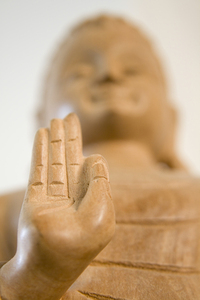
In last week’s blog about time management, I mentioned that creating change requires focus, creativity, and persistence. This week I’d like to zero in on focus. The achievement of any long-term goal requires sustained application of focused effort and attention, so let’s consider what this means and how we can bring focus to bear for maximum results.
Focus is:
· Cultivating the ability to apply your consciousness to a goal in the present moment so that you can get high-quality work done
· Tuning out everyday distractions like ambient noise, junk mail, and anything else unimportant that might tempt you to swing your attention away from what is important to you
· Keeping any fears and doubts that crop up along the way in perspective so that they don’t stop you short
· Continually returning to the work that needs to be done in order to keep your project moving
Bringing all of your mental powers to the subject at hand requires that you live in such a way that you’re prepared to do so when it’s time. There’s no way around it—if you want to stay the course over time and reach your biggest goals, you have to take care of yourself, consuming adequate nutrition, getting the amount of sleep that is optimal for you most of the time, and managing your mind and emotions. It takes practice to build your attention span and to keep returning your busy mind to the task in front of you, as well as a strong, calm emotional center. Meditation is, in my experience, one of the best tools for creating these abilities and conditions, and I suggest that you look for a variety that suits you and practice it to help support your ability to focus. If you get into the habit of calming your mind, you supercharge your capacity to expand your attention span and the quality of attention you’re capable of offering to any given task or person.
In order to resist the senseless pull of distractions, you need to devote time to reminding yourself of what you’re working so hard for. You need to imagine vividly and savor the sweet rewards of achieving your goal before you do so, constantly remembering the compelling reasons why it’s worth the effort so you can stay inspired. And you need to attend to uncomfortable emotions that arise and make it difficult for you to stay on task. Tapping/EFT is a fantastic help in this, as it can make it much quicker and easier to process and release emotional buildup, and clarify any actions you authentically want to take from a calm, balanced place so you don’t make mistakes by acting impulsively.
It’s a great idea to make sure that your workspace is clean, uncluttered, and comfortable enough for you to spend time there. If you can make it attractive and fun to be in, even better. Making sure you can play music you like, look at artwork you love, and have supplies at hand that are colorful and appealing can all be important. This is worth your thought and effort, because everything you can do to make your work enjoyable helps to keep you engaged—if you like your environment, it will be easier to be productive.
Time management is also important to protecting your ability to focus, as if you’re always hurrying and overwhelmed, you’ll find it hard to be fully present where you are and get your best work done. It’s important to find time for everything that’s a priority in your life even if it means slowing the pace of your progress toward your goals. If time management is hard for you, go back and read last week’s blog again for ideas about how to regain some control over your schedule. There are some basic skills we all need to work on that make working effectively with time possible, but it’s not something we tend to get a lot of formal support for. It’s also very unglamorous to do the work to build these skills, so it may not seem like an attractive way to spend our time. Even so, these skills make so much more possible that it makes sense to do it anyway.
If you’ve done your best with all of these points and you’re still struggling, it might be a good time to consider whether you could use some help. Maybe you just need some support from a friend or through coaching, or maybe you’re dealing with a specific issue like a learning disability (there are lots of great resources and techniques for coping with these now) or ADD/ADHD. Before I knew adults with ADD who could explain it to me, I can safely say that I was not aware of just how different someone else’s inner world could be from mine, despite having had a variety of experiences as well as a history of relating to eclectic friends. There are chemical conditions like this one, depression, and others that can make everyday tasks a struggle beyond what most people encounter. If you suspect that you may be in this boat, get some more information and find a professional to help guide you as you explore your personal experience and your options. Any unnecessary struggle is a waste of your time and vital energy, plus it’s just super frustrating and demoralizing. There is help available if you just reach out for it.
Next week we’ll explore the importance of developing persistence, which also strongly supports focus. In the meantime, I hope this gives you a few things to think about as you look for ways to optimize your happiness and productivity.

Tempus Fugit
“Lost time is never found again.”

We’re two weeks into 2017, and right about now it starts to become difficult for many people to see how they’ll keep up new habits inspired by the turning of the new year. Some people never got around to taking action this time around at all. Others may be feeling the difficulties of making change and the sacrifices it often requires. Often times we decide to make time for these endeavors, only to find that life has a persistent way of “happening” during those very free times we expected to utilize. Our rhythm may get interrupted, our commitment may start to waver, and those shining visions we had of the future may seem to recede farther into the distance with every step so that they seem like they were only ever a fantasy. Then, the negative thoughts come out to play, suggesting that we’ll never get anywhere, and who are we to have thought we could in the first place?
If some version of this is happening to you, congratulations—you’re human! Really making change happen is difficult, messy, and often time consuming well beyond our expectations and hopes. The world around us feeds us stories of “overnight” successes without acknowledging that most of these successful people actually put in a great deal of effort of some kind before they ever achieved any accolades or grand opportunities. Learning and growing in meaningful ways, building new skills and habits, requires long-term application of focus, creativity, and persistence. All of these take practice to wield consistently, but one of the biggest challenges you will face in the modern world is the scarcity of available time; not that this has been absent at any time in history, because time is one the one commodity that it’s tough to make more of, but the pace of life now is arguably more hectic than in times past. We live longer, but we also work more hours, and for more years, than ever before, while the notion of success has continually expanded to cover more ground.
Time management is therefore a key skill, and unfortunately one that we are not formally taught during our formative years in most schools. It’s something we’re usually left to figure out for ourselves—or not. Unless you’re naturally talented in this area, you may find that you never have a clear sense of how much you can realistically accomplish on any given day, nor how best to organize your tasks to get where you’d like to go. You may find that you always seem to be running, but without actually getting anywhere. If you never take the time to step back and think through new strategies suited for your unique needs, you may find yourself living in frustration, self-recrimination, and despair that things can ever be better. It’s easy to decide that everyone else knows things we don’t, or was born with skills we lack, but the truth is that most people have to work to gain these skills. Below are some suggestions for increasing your time management competence. This is one of the leverage points that almost any satisfying life must incorporate in order to run smoothly. Doing this work may not seem fun, but so much more becomes possible when your time management skills improve that it’s well worth putting effort here consistently until you’re more proficient.
· If you’re someone who tends to lose track of time, and find that something you thought would take an hour often ends up taking you three, you may need to consciously become more of a clock watcher for a while, or maybe always. As you work on a task, try keeping a clock in view and check it often. Make it a game to try and guess how much time has passed since the last time you looked. Keep this casual and light. If you play this game consistently, you may find that you become more attuned to the passage of time.
· You can also try setting alarms for certain periods of time so that you have warnings when you’re a quarter of the way into the amount of time you’ve allotted to a task, then halfway, then three quarters, so that you can continually measure where you are. The point is not to stress yourself out with hard interruptions, but to have a chance to speed up, slow down, or make new decisions about how to work.
· For example, if you’re halfway through the time you have, and nowhere near completing your task, you may need to stop, admit that your goal was unrealistic at this time, and either accept a lesser goal for the day or allot more time to continue your efforts.
· Note that people tend to be more naturally productive at different times of day. If you know that you’re a morning person, plan your most difficult tasks to be done first thing. If you tend to come alive in the evening, plan your productive time to take place then. Start to take note of when your high-energy times of day seem to be. There may be times when you need to work outside of these, but acknowledge that you will be less efficient in that case.
· After you become more adept at knowing how much time it takes for you to complete certain kinds of tasks at various times of day, you can begin to do a better job of planning your life. (The previous steps are necessary before this becomes plausible.) When you can plan realistically, you can steer your life with greater effectiveness and satisfaction.
· Once you are in a position to plan well, it’s time to start thinking about how to consolidate your movements so that you waste less time and effort. What would you like to get done today and how much time will each task take? Is there a way that you could accomplish two or more at once, or nearly so, by doing them in tandem? Is there a way that you can walk across the room only once, doing something on the way and something on the way back, rather than making a separate trip for each task? Planning can make a huge difference in how much time you seem to have and what you can accomplish. Again, challenge yourself to be creative about this, but treat it like a game. If you make it fun, your creativity is more likely to come to your aid with less effort and more consistency.
· Always plan a little “uh-oh” time into a task for things that will come up and surprise you—at least an added 10% of the time you were already planning. For example, if you’re doing errands, you may at some point be slowed down by road construction. If you build in a buffer, normal curveballs like this won’t frustrate you out nearly as much, and you’ll be much more likely to stay on track with your overall schedule.
· When you decide to make an important change to your life, you must talk seriously with those close to you about it. Communicate what you’re doing and why, and ask for their support. Be clear that the time you set aside for this new effort is essential to your making the change happen. If they respect and support your goal, there will be times when you might have faltered, but their support can help you use your time and keep up the effort necessary to keep growing.
· In turn, respect the time that others need in order to pursue their important goals. Support your loved ones in carving out and protecting that time.
· Occasionally emergencies happen. When they do, take care of them, and then get back to your important goals. Moving forward toward our dreams and goals is part of what makes us feel that we’re truly alive, so don’t allow surprises to permanently knock you off course.
· If all of this is particularly hard for you, consider hiring a teacher or coach to help you increase your skills.
You deserve to be living the kind of life that can be yours through efficient planning and time management. Resist hasty conclusions that you’re not capable of having what you want, and notice the ways in which you just need to build your skills in order to waste less time and effort. In later blogs, we’ll look at other ways to keep moving forward, but don’t ignore these fundamental skills.

Method or Madness
“It isn’t the mountains ahead to climb that wear you out; it’s the pebble in your shoe.”

It’s that time of year when people’s fancy turns to self-improvement. Everyone’s doing it! We’ve indulged, we’ve rested, and enthusiasm for a fresh start is rising! There’s nothing at all wrong with this—in fact it can make life fun to take part in seasonal and societal shifts as they happen—and joining with others can help to reinforce your own commitment to positive change. If you want to jump on this bandwagon, here are just a few thoughts to help you add checks and balances to your process (not just for politics, people!) so that your decisions really suit your needs and purposes:
· It seems that, in January, physical fitness goals dominate the day. While improving your physical health and fitness is always a worthy goal, and one that supports pretty much everything else you probably want to do and experience, adding an aggressive exercise regimen is not the best place to start for everyone. You may be tempted to think that you have to go whole hog or nothing, but this kind of thinking gets a lot of people injured before the month is out. That will throw a monkey wrench into your momentum for sure. Try to keep any schemes for physical exercise moderate for your current level of fitness so that you’re not adding unsustainable stress to your body, and so that you don’t get stopped short before you can begin to solidify healthy new habits. This is one of those areas in which you will never be finished. There’s no such thing as “done.“ So don’t freak out and overdo, but do plan activities that will qualify as your next phase of achievement.
· For that matter, try to keep any resolution for change to a moderate scheme. We’re often taught that in order to get anything worthwhile done, we need to decide what to accomplish and how, and then thoroughly ignore thoughts, feelings, and life circumstances that might make adhering to the plan difficult. This is the best thinking of two thousand years of male-energy-dominant thinking, and while it has its merits, it also exposes us to unnecessary likelihoods of stress, burnout, unhappiness that results from an unbalanced approach to life, and shame if we fail in a pursuit that was woefully unrealistic to begin with. I’m not saying that no one should take on big goals, but we need to make sure we’re thinking about fitting new items into the context of a whole life with multiple demands. We need to think about building in flexibility, and appropriate moments for reconsideration when circumstances change, so that we can stay in the game for the long haul as life throws distractions our way.
· Just because someone you know or read about is taking on something that sounds interesting or inspiring, that doesn’t mean you need to take on the same. Focus. Really think about what you feel called to learn and grow into this year. There is such a thing as right timing. Events and repetitive pain points in your life may be pointing to certain areas in which it would really behoove you to acquire new skills. Spend a few minutes noting whether there has been a recurring situation in your life lately that you could handle better if you just noticed and addressed your part in it. This might be a more appropriate focus for your energies than climbing Mt. Kilimanjaro, or what have you.
· No one is in a better position than you to decide what’s the right next step for your goals and your life. Of course, it can be helpful to talk through decisions like this with someone supportive, but make sure you don’t turn to someone who has strong agendas of their own for you who might limit your sense of possibility. It’s fine to give important people in your life input on the choice and timing of your projects, but it helps to start with your own opinions about what would be ideal for you before beginning any negotiations of this kind. A great deal of your own power flows from following your heart about who you want to be and what you want to strive for in this life. Don’t abdicate your opportunity to get clear on your own desires and intuition about you.
I hope this helps you to make good decisions for the year ahead. Whatever you do or don’t decide to pursue in 2017, I wish you a happy, healthy year filled with blessings and challenges worthy of you.

Just This
“ In seed time learn, in harvest teach, in winter enjoy.”

Many cultures have historically celebrated, in some way, the winter solstice, which marks the return of the light—in other words, the lengthening of days after the longest night of the year. The darkest time is now past, and we are once again looking forward to longer, warmer days and the fruition of seeds that are only being dreamed now, until they can be planted in the spring. And yet, there’s not much to do now. It’s still dark and cold, and we feel like hibernating, especially if the fall season was busy and social.
Now may be a good time to remember that sometimes the best thing to do is nothing at all. It’s appropriate sometimes to relax and enjoy the comforts of home, family, and the appreciation of what the passing year’s harvest has brought. In today’s harried world, it’s easy to think that taking downtime is lazy or selfish, but what if this is an important time to bond with those who are closest in your life so that in busier times, you’ll have great memories and the confidence that these people are on your side? Playing games, telling stories around a fire, and catching up on rest are traditional things to do at this time of year, and they help us build resilience for later.
There’s one more week of holiday social activity before us, and then with the passing of the old year and the advent of the new, we all begin to break off again to envision and work toward our own ideas. The new year brings with it a sense of possibility and fresh starts, and many people experience a resurgence of motivation and zestfulness about what is possible. Don’t miss this final week of celebratory enjoyment! It’s important for maintaining your morale to take breaks from your normal stressors and appreciate natural rhythms and the good people around you.
New ideas, projects, and stimulation will be along soon enough. This week, have fun, sleep deeply, appreciate the love you have now and have experienced throughout your life, and acknowledge yourself for all the good work you’ve done this year. There will always be more to do and experience, but let your actions flow from joy and enthusiasm in right timing. Right now, and always, without doing anything, you are enough.
That's Nice, Dear
“The deepest principle in human nature is the craving to be appreciated.”

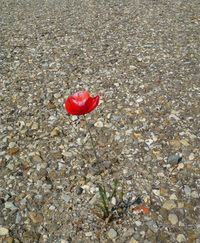
Two weeks ago, I blogged about creating a balance in life between giving and receiving; we looked at how to be an insightful giver, and also a gracious receiver. This week, I want to address one of the things that can go wrong with this balance. What can be done when something less concrete that we very much want to give, such as a personal talent or message, is not well received? This becomes a core issue for many people, and one that often causes a great deal of pain, because it gets to the heart of the ways in which we define and value ourselves.
The roots of this problem are usually planted in childhood, but they can be attached to any time period in which we chose to give something personal and precious to us only to have it rejected or minimized by someone else—or many others. One of the difficulties of being alive is that we are born as beginners at everything. Anytime we try something new, we risk failure and humiliation to some extent. If you’re alive for more than a few years, chances are you’re going to have an experience in which you do something you think is beautiful, only to have someone stomp all over your enthusiasm and let you know just how mediocre your effort seems in their eyes. The difficulty really sets in when that person is someone whose good opinion is deeply important to you, or when what you’re giving seems like a fundamental part of yourself, and no one seems to get it.
It’s natural for human beings to want to give of the best of ourselves and to be acknowledged and appreciated for that. Some of the tensions that tend to come up around the holidays have to do with not being seen and acknowledged by family and friends the way we want to be, the way we feel we deserve to be for what is best in us. So here are a few things to try if you find yourself in this position:
· Remember that beauty is in the eye of the beholder—beauty that is very plainly visible to you may be invisible to someone else because everyone’s worldview is colored by natural tendencies, upbringing, and experience. It’s extra-hard to remember this when what you want those close to you to see is you, but try to acknowledge that other sane opinions than yours are possible, and have compassion for their selective blindness if you can. No doubt someone has tried, at some point, to convince you of the great value of something that you just don’t care for. As my family used to say, this is why they make chocolate and vanilla. Not everyone has to like everything. Work to accept that, sometimes, important people in your life will not fully understand everything that’s important to you.
· If you’re not getting the appreciation you think you deserve for what you have to give, ask yourself if what you’re giving is really as great as you think it is. Be willing to get some friendly feedback from people you trust and who do appreciate you generally, or from an expert adviser whose opinion you respect. They may be able to point out ways in which your honing a skill or two would help others to appreciate your offerings. You can choose see targeting what you have to give to an obstinate person as a challenge that might help you, and learn from the experience. The feedback you get also might confirm that what you’re giving is pretty wonderful already, and it’s just not that obstinate person’s cup of tea. If so, go back to the first point above.
· For the sake of your fulfillment and self-respect, go find some other people who think what you have to give is amazing. There are clubs and organizations for practically everything under the sun. If you put in some work, I can virtually guarantee that you will find some fellow humans who will be delighted with what you have to offer. Get your appreciation from people who truly want to give it, and release those who don’t from attempts at manipulation. Everyone will be happier. I’m not saying it’s easy to stop wanting acknowledgement from people close to you, but the happier you are about yourself, the less you’ll need it—and paradoxically, the more likely they are to come around at some point in the future as you gain confidence and the appreciation of others.
Giving of who you are and what is best about you is an important part of a balanced, happy life. If you’re not feeling that enough other people know, truly see, and acknowledge the goodness you have to give, then this is a worthy area for effort and growth. You have unique qualities that will add to the life experiences of others in positive ways. You’re in the best position to know what those are based on your talents and passions. Don’t give up. Keep learning and be willing to make new connections, and you’ll eventually make progress in finding the appreciation you deserve.
Year in Review
“Everyone has a plan ‘till they get punched in the mouth.”

Despite the fact that this month is a whirlwind for many people, most of us are still managing to find odd moments to judge ourselves against the hopes and goals we had for ourselves in 2016. We may feel good about our achievements, but we’re also quite likely to be dealing with disappointment about where we may have missed out on things we wanted very much. No matter how good life is, some part of us is aware of the ways in which things could be better, and it prowls the corners of the mind resenting this gap and grumbling about the injustice of it.
Perhaps now is a good time to actually tune into that voice and see what it has to say. Periodically assessing where you are is an important part of continually moving forward, and the voice of discontent can be valuable. Taking a few quiet moments to write down how 2016 went for you personally can help orient you as you naturally begin to think about the approach of 2017. Much of this past year, you were likely doing the best you could. If you weren’t, the constructive thing is not to berate yourself, but to gain understanding about why. Ask yourself: Where do you feel you got stuck this year? What are you disappointed and frustrated about that maybe you’ve been avoiding admitting? Stuffing down these feelings won’t help you resolve anything emotionally, and it also won’t support your learning and growth going forward. What would you do over if you could and why? How would you like to be able to handle a situation like this in the future if it comes up again? And what skills will you need to work on in order to become the kind of person who can easily handle it that way?
Doing this before you get drawn into the annual storm of New Year’s resolutions peer pressure will reveal the desires that are most important to you. If you must resolve to change something, let it be supportive of your movement toward the goals that are authentic to you. If you are having trouble figuring out why something is so hard for you, it might be time to call in an expert or a trusted friend for a perspective check. You might need to get a little creative about working with your subconscious to clear out problems that have been dogging you (Tapping, NLP, and hypnosis are great ways to address this kind of issue, and there are plenty of others.) Even though recurring patterns can be extremely galling, know that you can make progress on these if you are willing to keep working on them and trying things until you find something that works for you. Everyone gets exhausted sometimes. When you do, it’s ok to step back, renew yourself, and then get back to it.
So, give yourself a break already. Nothing in life ever goes exactly according to plan. That’s the nature of the human experience. Enjoy any holidays you celebrate this month with zest, and celebrate what went right for you this year with every fiber of your being. In fact, that would be a helpful resolution for 2017—I will celebrate everything that goes right! I will acknowledge something that brought me joy at the end of every day, and celebrate the happiness of others as well! If you acknowledge where you are discontent, and then keeping moving back toward focus on what’s working, it will be easier to keep yourself feeling happy and enthusiastic throughout the new year. If you can do that, all your hopes and dreams become more possible.
It's a...Bunny Suit?
“Kindness in words creates confidence. Kindness in thinking creates profoundness. Kindness in giving creates love.”

For the next few weeks, I plan to keep my posts on the shorter side because I know that most people who read my blog are probably very busy this month! This week, I’ll just write a few words about the dynamics of giving and receiving, since gifts are on many people’s minds at the moment.
Giving and receiving graciously are skills, arts, even, that have been prized in diverse cultures throughout history. The most respected people in any culture have tended to be those able to strike a good balance between the two. Giving in effective ways necessitates being in a position to give. This requires a person to care for herself enough to have more than is necessary, whether the giving involves material goods or just time, love, and energy. It also requires having the willingness to give, which is built on emotional, mental, and spiritual management of the self. If you are fearful for your own survival, whether or not those fears are founded, you will be unwilling to give; this may be an emotional problem. Failure to manage your fears has immobilized you. If you believe that others are selfish takers who will never give back to you, you may worry that giving anything will establish a pattern that will suck you dry; this can be a spiritual/philosophical issue. If you are not willing to look for the commonalities that bind us, and the good in human nature, you will never trust others, and will not be able to create deep connections in which you can give and receive in satisfying ways. If you are constantly keeping score of who has given what, this may be a mental/ego problem. If you think that giving must always be equal based on your own personal values, which are invisible to others unless you share them, then it’s easy to work yourself into a frenzy of resentment when people close to you are just doing the best they can with the information they have.
The ability and willingness to give is a deeply ingrained cultural imperative. On some level we know that someone who doesn’t give to others is dangerous; during the eons in which almost everyone lived in small tribes or villages, every person had to pull his weight in order for the group to have the best chances of survival in a hostile environment. If you were able but not willing to give, you might have been ostracized for your selfishness, which would have made it extremely difficult for you to remain alive at all. While modern life may not operate the same way, your life will still be more difficult if you don’t find a way to be seen as an equal member of any group to which you want to belong. If you cannot give in a balanced way, you yourself may become known as a mooch! This might not threaten your survival, but it surely will threaten the health of your relationships.
The willingness to receive is also of great importance to the health of your personal relationships. Receiving what others are trying to give to you from a good-hearted place shows them that you accept and appreciate them and their efforts. If you can’t, people will come to see you as snobby or downright cruel. We’ve all received gifts that don’t excite us, but without the ability to affirm the effort and care that went in the arrangement of the gift, you will alienate others by rudely dashing their hopes of pleasing you. The trick is to put aside expectations and to attempt to see what is offered to you as an expression of love, or the desire to be loved. The person giving deserves to be treated with respect and to receive your thanks, if only for the thought! We’ve all been given a gift at some point that seems ugly or even downright insulting, but the giver may have genuinely thought it was a good one! You may also have found that lapses in your own graciousness don’t look or feel good in the rear view mirror—I know I have, and I’ve wished I could take those moments back. You’re allowed to hint to those who don’t understand what you like, and become practiced in the art of re-gifting anything you don’t love to someone else or to charity, but keeping your reactions in check when receiving is an important life skill that is worth working on no matter what the skill of the givers in your sphere. Your graciousness will, over time, earn the respect of others and make you more comfortable in all situations.
So what does balanced giving and receiving look like? A gift can be anything that shows you thought of and about the needs and desires of another person. It can be remembering what they enjoy, attempting to offer comfort when it’s clearly needed, or connecting them with something that furthers a goal they’ve expressed. Being someone who takes others into account and tries to make their lives better is part of being a respected giver. Also, your ability to share what you have in material ways is part of the picture in that others do notice what you have versus what you give, and what that says about how you value them. Of course it’s also important not to over-give, because when you do, you’ll begin to resent others. That’s no good for anyone, and only you can be the barometer of your own capacities. Giving can be a wonderfully rewarding part of life. It should feel good. If it doesn’t, it may be because you’re feeling manipulated or not valuing yourself enough to keep your giving in balance. Balanced receiving means not always being the one giving more. Some people define themselves by their ability to give. That’s not healthy either, and denying others the ability to give to you will genuinely disappoint the good-hearted people in your life. Try to appreciate the circle of giving and receiving in your life as a whole. If it feels out of balance, you can work on that, but know that the receiving aspect may not always be satisfied by those you would like to provide it. You don’t get to decree what people give. That choice is up to them. But you do deserve to get what you need and desire from your relationships, so if you’re not getting it, you can work on making some new friends.
Are you someone who receives graciously? Do you give thoughtful gifts based on what the person you’re giving to actually wants and needs? What have you’re your favorite gifts to receive and why? Things to think about as you navigate this holiday season.