
So Much Happier Blog

Dream or Dread?
“I have a new philosophy. I’m only going to dread one day at a time.”

Have you ever noticed that when you’re afraid of or dreading an event or confrontation, you rehearse it going negatively in your head many times beforehand? (Holiday dinner with crazy uncle Fred, for example!) You may not do this in every case, but I bet this pattern is familiar to you, because we all do it sometimes! Unfortunately, for numerous reasons, it’s not the best strategy if you want to set yourself up for success.
First, the emotional reasons. Imagining that the experience will go poorly, everything will fall apart, and you can’t win is likely to just fuel your dread of the event until you’re really miserable—not just about this, but about anything similar that happened in the past and that you’re afraid of recreating. This starts you rolling with a pervasive bad mood, which is likely to send you into a tailspin if anything else happens to annoy you; it may color your world through grunge-colored glasses so that it’s hard to enjoy the things that are genuinely good in your life. No one really wants to feel bad, but we create and exacerbate bad moods with our mental habits because we’re struggling with something we don’t see how to solve. Because we’re encountering things that are challenging. Because we’re used to treading subconscious grooves that we may not be aware are even there.
Physically, these unpleasant emotions create chemicals in your body—stress hormones and others—that cause a chain reaction, making it hard for you to do basic, necessary things (that the body can place on hold in an emergency) like digesting your food and thinking logically. Studies show that whether you’re a single cell or a human, you can’t be in defense mode and constructive/healing mode at the same time. Essentially, undue stress incapacitates you for everything but immediate self-preservation functions.
Which brings us to the mind. Brain science shows us that the more time you spend practicing something, the more robust your supporting neural pathways become. Your brain becomes habituated to doing that thing, so that’s it’s comfortable, easy, and likely in the future. It’s then a path of least resistance. This is helpful when what you’ve practiced is a positive skill or habit, but not so great when it’s your propensity to imagine and expect the worst. By the time the event you’ve been dreading happens, you’re primed to see and contribute to the worst result with your own expectations and actions. Even if it goes better than expected, you may come away from it with a sour taste in your mouth because of all the negative buildup and your tendency to be in the groove of those feelings you practiced so many times over before the scene ever unfolded.
Fortunately, this is just a bad habit that we tend to run without realizing we have a choice in the matter. We can choose to circumvent it and all of its dubious consequences with better choices, and achieve better results. First, we need to become determined to notice when we’re starting to project negative results. This may be challenging, but it gets easier with just a little practice. If you check in with yourself numerous times each day and become aware of your emotional states, chances are you’ll start to catch yourself rehearsing cycles of dread. You can remind yourself to do this in any number of ways, such as sticky notes, calendar reminders, phone alarms, etc. Eventually, you’ll catch yourself a lot faster and be able to arrest the pattern before it really takes hold, knowing that this worry won’t help you, and you need a better strategy.
You then have choices. The goal of meditation is often to rehearse a calm, neutral state so that it’s more natural to live without prejudgments, automatic emotional triggers, or preoccupations that block us from seeing what’s actually happening in each moment. You can shoot to come to each situation with a neutral, open, curious “beginner’s mind.” This is great for staying open to all of your creativity and capacity, and at the very least not making a challenging situation worse than it needs to be. Or, if you’re pretty good at keeping your cool already, you can shoot even higher and make your goal to actively improve your situation through intending the best possible experience for everyone, leading to the best long-term results for the world. When this is your intention, you may find yourself realizing as you rehearse that you need better skills and some help preparing for your challenge—but also feeling motivated to find what you need to grow into the person who can sail through the challenge with excellence rather than just skating by without disaster. Either of these choices is better than what you’re doing when you’re mindlessly worrying about the situation! Whichever you’re going to work with, you can then substitute imagining your upcoming challenge going easily and well using one of these two focuses.
These ideas may sound simple and relatively easy to implement, but they can be surprisingly tricky to habituate yourself to. There’s a lot that we do mentally on autopilot, so it really takes some effort to change your mental habits effectively in a global way. I encourage you to work on it anyway, because this effort pays better returns in the coin of happiness than most of the ways you could be spending your time. And, of course, when you find that you’re really stuck on a situation, don’t forget to Tap to reduce your fears, frustrations, and limited thinking around it. The mind can do a lot, but you can’t think yourself out of all your emotions and concerns. Sometimes you need direct intervention that aligns the physical, emotional, mental, and spiritual parts of you in the face of difficulty. When you use all the tools you have and stick with it, you’ll find that you make progress, and over time, you gain confidence that you can handle more challenging situations, which reduces your overall stress.

The Golden Rule of Gift Giving
“The greatest gift that you can give to others is the gift of unconditional love and acceptance.”

In recent weeks, we’ve been looking at what place giving and gratitude have in your life. This week, we’ll be combining them into the consideration of the art of giving to express gratitude. Let’s face it, most of the time (barring joke gifts, which can be fun in a whole different way) it’s far more satisfying to give gifts that delight the receiver than to give items that are a random guess and likely to provoke a lukewarm reception at best. I’ve been told by family and friends that I’m good at choosing gifts that others appreciate, so I’ll lay out a few tips below that may help you to navigate the selection of any gifts you’re planning to give this holiday season. For some people, receiving gifts may be the primary way that they perceive they’re loved (see The Five Love Languages for a full explanation of this interesting concept). For others, it’s still a way in which they may feel seen and understood if the gift addresses their most passionate interests.
Expressing love and gratitude to the people in your life is first and foremost about tuning into them. If you want your gift to be a rousing success, the golden rule is to give the recipient what he or she wants or needs to receive. If you stay focused on this, you can’t go too far astray. Here are some specific tips on how to find out where to focus your ideas:
-Listen. If you already have or are willing to build strong listening skills, gift giving is just so easy! People talk freely about what they like, what they’re working on, and what they’re hoping for. Sometimes they’ll mention outright an item or experience that will help or please them, and if it’s in your price range, you’re done!
-Ask. You can ask what’s going on with someone and what they’re into lately even if they don’t volunteer information that will help you to know. If that’s not illuminating, you can also try asking someone else who knows the person for ideas. Even if your co-conspirator doesn’t have a specific suggestion, s/he might be able to remember something that sparked your giftee’s enthusiasm recently, and then you’ll have a subject area to guide you. And bonus—often others will enjoy helping you with the process if you just ask!
-Brainstorm. This is the part that should be creative and fun for you. There will be many possible options related to any given area of interest, including things you might make, find, or buy. Depending on his personal style of dress or home decor, you might find something your giftee could wear or display that alludes to his interests. You might be able to purchase an antique or vintage item, or a book or film, that will educate or entertain. You might be able to arrange for an experience she would enjoy having all set up. If you don’t have much of a budget, you might use your own skills to create something that will be useful or beautiful; if you’re not crafty, you might enlist the help of someone who is, or someone who has a lot of other contacts who can advise you. Internet searches can help expand your ideas list instantly if you’re stuck, as can searching within a Web site that will suggest items based on another search.
-Research suppliers and acquire or make your item. Once you have your decision about what you want to give, you get to put it all together, all the while looking forward with happy anticipation to giving something that will be meaningful, and brighten up your giftee’s day.
-This part can be a little trickier because it may involve your ego, but try to remain flexible, and willing to let your giftee decide to return and exchange your gift or even to eventually regift it in the future, extending the usefulness of the item and the joy it can provide in the world. Things must come and go into and out of people’s lives if they are to remain in right relationship with their belongings. It is the loving intent behind the gift that matters most. Once you have consigned your item to this person’s collection of things, it is now up to her/him to make decisions about its best use. An important part of giving that helps everyone to feel good about the experience is allowing others to be who they are and manage their lives in a way that suits them and their greatest happiness.
The art of giving gifts that truly express your gratitude for your relationships can take some doing, but it can also be a lot of fun if you allow it to be. It’s fine to put your own spin on things, but remember that people most appreciate gifts that fall within their interests, not yours. When you show that you’ve listened for what they like, and cared enough to choose something within their areas of passion, they will feel your good intentions and appreciate your efforts. Even something small and inexpensive can end up having a great deal of meaning, and act as a constant reminder of your relationship and your regard. Many things can increase your bonds with others, and giving can be a really wonderful, enjoyable one.

Your Grateful Presence
“Do not dwell in the past, do not dream of the future, concentrate the mind on the present moment.”

In the U.S., last week we celebrated Thanksgiving, a holiday entwined with the seasonal return of nature’s harvest and plenty. Generally, we congregate with family and friends and eat way too much. We have leftovers for days. It’s a lot of fun if you like that sort of thing! The underlying meaning of the thing may be getting a bit lost in the holiday trappings, though, so this week I decided to slow down the view to make sure we don’t just blow right past it.
Nowadays most of us don’t farm our own produce, so we’re not focused, out of self-preservation, on minute natural rhythms the way humans have been throughout recent history. It’s easy to work oneself into a pace at which such things seem to fade into an irrelevant background blur, and the time of year barely enters the picture. Yet, leaving behind our ability to notice and relish the delights of each season removes a powerful tool for grounding, presence in the moment, and pure enjoyment. When we pretend that it doesn’t matter that this planet and its cycles are the backdrop for our experiences, we’re not fully here, and time can pass with a monotony that flattens out what can be most zestful about being alive. The enticing, mysterious, unique fragrances you encounter when hiking a trail at various times of year, for instance. A bright, clear blue sky, or one filled with clouds that sunshine occasionally streaks through in a burst of rays. The singing of birds and insects only present for a time. The arresting invigoration of a cold snap versus the soothing warmth of a summer breeze. Life is not only about technology! It’s also about being a physical, sensual being.
Our relationships with others can often pull us down to earth as well, reminding us to feel grateful for what’s good. Others surprise, delight, and challenge us in ways that will always keep life interesting. These interactions stir things up and keep us reaching for greater joys and better solutions. No one alone can produce a harvest as spectacular as one created in cooperation with worthy partners. Even poor interactions with others remind us of who we do and don’t want to be, which can spur us onward if we keep moving.
As long as you’re not in a life-and-death situation, it’s never a bad time to look around and notice what is unique to this moment. What’s going on in the outdoors today? What weather will you be dressing for, and what can you notice about it rather than completely avoiding its features? What kinds of fun have you had, or could you have, in it? What fruits and vegetables are in season, and how can you enjoy them right now? Who are you most grateful for and how can you express your feelings to them? Who is it that you can’t stand, and what does this have to teach you of tolerance or the courage to act?
By endeavoring to find gratitude throughout the year, even in the bleaker times, we fan the flames of inspiration. We practice awareness of our environment, which helps us to unlock opportunities we otherwise wouldn’t notice. We practice happiness, which can be a result of a diverse skill set and good old-fashioned effort and focus, not just of things going our way. We help others around us to enjoy the fruits of harvesting the moment and what it can offer us rather than only lamenting what is absent. When we do this, we can feel richer without much in our circumstances changing, and this is a kind of power that, in turn, can change everything.

Finding the Fun in Giving
“Real generosity toward the future lies in giving all to the present.”

In recent weeks, I’ve been writing about the importance of boundaries in maintaining your balance and ability to sustain progress. Now that we have a grounding in creating those, this week I want to talk about the opposite! We’re entering a season when giving is often at the forefront of people’s minds, and this can be a beautiful and fulfilling time for all of us, regardless of what set of traditions may belong to our family and loved ones. Since giving traditions are playing out all around us, it’s a great time to consider the place giving has in our lives, and whether this dynamic is in balance with the rest of what we have going on.
Appropriate boundaries allow us to greet each day as the healthy, energized people we want to be. I’m a huge fan, in this world of overwhelm, of taking regular steps to ascertain that we haven’t been slowly tempted into overextending ourselves so that we’re living run-down, miserable, barely conscious lives. On the other side of this coin, though, is the question of whether we’ve become so self-protective that we’re not taking our rightful place in the flow of life around us—not contributing our unique gifts, which our communities need, and not experiencing the deep joy of connection and reciprocity with our neighbors that is part of what’s most worthwhile about being human. Both sides of this coin are essential to sustaining our inspiration on a daily basis.
It is often through openness to giving that we find the most life-changing opportunities to expand our viewpoints and our capacity for compassion. In giving, we may find that we are called in an exciting way to become more, greater versions of ourselves, as we reach to improve the lives of others. We may find that we have more to give than we thought, that we’re capable of more than we guessed. Because human beings love to push boundaries and grow, such realizations can feed a positive cycle of giving and invigorating personal achievement that elevates everyone involved.
Receiving with a grateful heart feels amazing, but often the one on the receiving end is surprised. The one doing the giving gets to savor the anticipation of giving the gift, in addition to the moment of the reveal and the memory the exchange creates. That anticipation can bring a great deal of warmth to this period of lead-up if you allow it to. You don’t have to be giving profusely every day in order to experience the heart-opening glow of making giving an important part of your daily happiness practice; you can just spend a few minutes planning how you will give, enjoying memories of giving or receiving, or complimenting others on the fly when you recognize something you can appreciate about them. The more you start to associate giving with joy and fun, and the opportunity to bring brightness to others’ lives, the more its power will compound to bring more richness to your experience. In many traditions there are teachings about obligational giving, and guidelines reminding us about how the virtues of generosity can be helpful, but if you leave out the delight factor, everyone’s experience around giving and receiving will be dampened. Isn’t it more fun to receive a gift from someone who is obviously enjoying the gift-giving process than from someone who seems to be giving out of obligation, or with strings attached? Doesn’t it make you want to reciprocate more when a gift seems like an expression of love and appreciation? Do you see how when everyone gives with joy, the result is a force, a wave that travels outward carrying greater potential to everyone it touches?
If you are looking to live a happy, inspired life, you need to balance your self-care and your habits around giving. Both are necessary in order to keep your physical, mental, and emotional states at optimal levels. Each of us may find that a different mix of giving and receiving is appropriate at any given time, as what we need and what we can give will fluctuate based on the innumerable factors that make up a life, and that’s ok. As long as you’re remembering to consider these two sides of the coin when you have choices to make, chances are good that you’ll choose well and continue to learn and grow in joy and potential and balance, doing your part in creating a better world for everyone.

Shifting Sands
“Mindfulness is about love and loving life. When you cultivate this love, it gives you clarity and compassion for life, and your actions happen in accordance with that.”

Last week, we looked at the importance of setting boundaries in order to support your long-term functionality and excellence. This week, we’ll delve into the “how” of knowing that your boundaries need attention and making new choices. Since we are living in a world of limitations in bodies with specific needs, there will always be limits on how much activity we can sustain. Just to make things confusing, though, we’re all different. The range of talents and physical capacities that exist across the members of the human race is wide. What works for others won’t necessarily work for you, and vice versa. Attaining mastery at anything takes trial and error and a whole lot of practice. Only through testing your limits can you really know whether a condition is truly a limitation or merely a plateau. Boundaries, then, are often temporary in their usefulness, with a need to be periodically reevaluated if they are to serve their purposes and not become limitations of their own.
As mentioned last week, one of your best indicators of a need for a boundary is the constant feedback of your emotions. If you listen to what they’re telling you in real time, you’ll save yourself an enormous amount of angst and inefficiency by gaining clarity and being able to act on it; if you ignore them, the pain inherent in your situation is likely to become louder and louder until you are unable to ignore the message. By then, things may have gotten much worse than they ever needed to be. Situations may have fallen apart. Your health may have suffered, because stress is physically bad for us. You will have experienced, to at least some extent, the opposite of inspiration—disappointment, loss, and frustration. So much of this is avoidable if you just take a few minutes out of your day to notice and admit what’s going on with your emotions and why.
Ignoring what’s true for you may be more comfortable in the short term, but the longer you ignore the truth, even if it seems you can’t change it, the more of a powder keg your repressed emotions become. This is why, when someone is new to Tapping, I often recommend that they use the very simple “tap and rant” technique, in which you pretend you’re talking to a best friend who will support and commiserate with you about all your frustrations while maintaining her/his sense of humor. You just vent, mentioning every little thing that’s bothering you while Tapping. Not only is this fun because we usually try to hold all this in, and it feels a little outrageous and rebellious to let it out, but it relieves pressure physically by calming your body as well. Once you’ve spent some time on this, you’re usually more clear on what your most important, timely issues are. Now you can give those the attention they need with greater focus.
When you’ve achieved this clarity, you can more easily recognize situations that are untenable and need your creativity. In what way would you like those to change? How can you communicate your desires clearly to others so that they understand your preferences and requests? What will you do if change is not forthcoming, and how will you communicate your contingency plan along with your request? All of this can be very scary depending on what you stand to lose if others choose not to cooperate with you on a solution. Luckily, Tapping is also great for releasing fear and finding your courage! Fear is a constricting, immobilizing force. If it’s stopping you from doing what is best for you and others, you’ll need to relax its grip so you can move. By Tapping while expressing the emotional and physical sensations of fear, we teach the body that it’s ok to feel fear and still relax and function. Life you n today’s world is complicated, whereas many of our body’s systems evolved extreme reactions to protect us from physical harm in times of emergency. Tapping helps us to bridge the gap between the ancient protections and the push-and-pull needs of modern life.
Living the life you really want requires that you be in touch with what’s true for you. If you make important decisions about your life without doing some work to clarify what you want and need and how the choices in front of you can serve these, you will always feel like you’re wandering around lost because there’s no YOU there informing and guiding the way. If you leave yourself out, you leave discretion over things that materially affect you to others, or to chance. Taking the reins consciously can be demanding, but that’s why daily work on clarity and emotional management is so important. Doing it can keep you calm and on the path when you might otherwise run screaming from confusion and overwhelm, perpetuating a cycle of mindless drama that saps your power. Just like exercising the body, doing this work is not optional if you want to operate at peak capacity. What will you do this week to increase your sense of calm and clarity?

Your Line in the Sand
“Daring to set boundaries is about having the courage to love ourselves, even when we risk disappointing others.”

Most people know that it’s supposedly a good thing to set up appropriate boundaries in relationships, but setting them, and more importantly policing them, can seem like a bewildering process in which all targets are constantly moving. Becoming comfortable with communicating your boundaries ultimately takes self-knowledge and confidence, as well as discipline and faith. This can all seem like a pretty tall order! Since every one of us is different, we can learn from each other, but mastery only comes with practice in listening to our inner indicators on how much is too much of anything. Our emotions are a huge portion of these indicators, and we ignore them at our peril. If we don’t receive and act on their messages, relationships crumble. The pursuit of balance within relationships may be laborious work, but the creation of it is an essential element of any real peace and happiness.
A lot of people who are empathetic find it difficult to say no, either because they’re afraid of conflict, or because they just prefer to make others happy whenever possible because it’s more fulfilling—a noble goal. Of course, too much investment in making others happy (needing positive outcomes too much) usually ends up yielding annoyance in you and everyone around you. Neediness is not much fun to experience from any angle. If you need an outcome that is not within your control, your happiness will always be at the mercy of others and of fate, and you will always feel like a victim to some extent. On the other hand, when someone comes at you with a great deal of need about something, you might feel an overwhelming sense that they are trying to manipulate you, or that if you say no you’ll be proving that you’re a bad person…after all, this person NEEDS something you might be able to give or contribute to. The values fostered by one’s religious and cultural influences can amplify the discomfort by teaching us that we should always give to someone in need. Yet, obviously, one person can never be all things to all people, especially on a planet with billions of other people on it. It would be possible to very quickly over-give to the point of the annihilation of your energy and physical resources, which would not be at all helpful to anyone in the long run. This is what setting boundaries is all about.
I read an interesting article once about Mother Teresa that revealed her personal struggles. Despite being a massively inspiring presence on the world stage, demonstrating selfless love and compassion in the extreme for the poor and needy over a lifetime of religious service, and cutting a truly saintly figure, she apparently quietly battled depression for decades. Now, there can obviously be many contributing factors when someone is affected by clinical depression, including chemical issues that may be independent of the effects of mental, emotional, and spiritual life experiences. However, there is a growing understanding that, most often, there are strong experiential factors that go into creating someone’s depression. I personally don’t find it at all surprising that someone who worked tirelessly amid the most unfortunate people, in the most poverty-stricken areas, having taken personal vows of poverty and service, might have gotten pretty burned out emotionally from seeing all that suffering. I have to wonder if she took breaks. I wonder if she had sympathetic friends to laugh with sometimes to keep from constantly and solely mourning over what she saw on a daily basis. I wonder if she sought the help she needed. Even someone saintly is still in a human body, having a human experience, and subject to human emotions that need to be managed.
Most of us are not so saintly. We’re just normal humans living our lives and trying to make something good come of them. I’m not saying that we can’t do great things, but first, I think we need to understand the importance of sustaining ourselves. We need to learn how to operate our bodies sensibly so that we have a chance at health and stable moods. We need to learn to observe and learn from our experiences so that we can gain enough maturity to go beyond merely surviving. We need to learn that both caring for ourselves and caring for others are necessary if we want to be powerful sources of good. And we need to learn that without bringing rejuvenating and joyful experiences into our everyday experience, we will quickly become depleted, desperate, and even dangerous individuals.
When you can successfully cultivate your own overall balance, then it becomes easier to understand how much you can give to others before you need to retreat and renew. It becomes easier to notice which kinds of service to others are so much fun that you can happily do them all day long, and which kinds you come to dread because your strengths and weaknesses make you unsuitable for them. From a place of balance, it’s easier to admit what kind of tool you are and where you can be of most use rather than trying to prove that you can do absolutely whatever is asked of you at all times. And it’s easier to notice when something is making you uncomfortable because it’s going against your most important personal values, which will drain you very quickly every time.
Here are some recommendations for growing your capacity to set and insist on the honoring of your personal boundaries:
Learn to pay close attention to your emotions. They are one of your best indicators of how much you can currently handle. You can practice stretching your comfort zone over time, but if you do too much too fast without building in recovery, you’re likely to fold.
Make working on the quality of your nutrition, sleep, and exercise a non-negotiable part of every day. No two days are the same, so you’ll always be adjusting, and there’s no need to be a perfectionist, just don’t ignore these basics.
If saying no is hard for you, practice, practice, practice. Start with strangers if that’s easier. When you can execute a simple, cheerful “No thank you” response to random requests at will (when appropriate), you can start replicating that in higher-stakes relationships through more practice.
When your “no” affects others, it will be appropriate to give a short explanation, compassionate to both yourself and the other, about why this is your answer. Still, firmness is your goal. Being honest about what you can actually handle will serve everyone better than your saying yes and then collapsing midstream.
Cultivate friends with whom you can discuss the confusing situations that arise in life. No one should have to go it alone, and seeking other viewpoints can often help us make far better decisions than we could have arrived at alone.
Keep in mind that in order to have the space to give what you most want to, you have to keep yourself from always being so full up that you just can’t take on one more opportunity, no matter how perfect a match it seems for you.
Know that while you must take responsibility for yourself and your own actions because you’re the only one who can, you can’t take responsibility for everyone and everything else. Not knowing your boundaries amounts to hubris. Everyone else has a part to play too, so let them, and encourage them to seek their own balance.
Celebrate often both what you are able to give to others, and the ways in which you give to yourself. Allow yourself time to rest and play, then do it all again.

Practice Makes Progress
“Pessimism leads to weakness, optimism to power.”

This week, I came across an interesting article that speaks to our growing understanding of neural plasticity, or the brain’s ability to change and grow all throughout the course of a human life. So much for the difficulties of teaching old “dogs” new tricks! If you’re using the old standard line, “This is just how I am,” to justify a lack of effort to become who you wish to be, take heart—with some attention and effort, you can actually change habits and outcomes. In fact, there are a lot of interesting nuggets in this article, each one of which is worthy of note, but I wanted to call your attention specifically to the greater efficacy of happy people, and to your ability to move in the direction of greater happiness through simple practice.
Take a romp through this resource when you have a moment, and feel free to leave a comment about what you find most interesting, or what you’re going to do to start changing negative mental habits that drag down your efficacy. You don’t have to be perfect right away, just pick something to work on and start!

Becoming Your Own Ultimate Pit Crew
“Genius is the ability to renew one’s emotions in daily experience.”

The world is filled with a whole lot of stuff that I bet you think is not ideal, to say the least. Things you can’t stand, things that make no sense, things that are unjust, stupid, and hurtful to you. How do I know? Because it’s the same for all of us. We live on a planet of incredible diversity, conflicting forces, and even chaos. The upside is that we have a lot of opportunity to experience an astonishing range of experiences. The downside is that many of those will not be pleasant.
One of the greatest challenges of coping with such variety and unpleasantness is in preserving your energy in the face of all the friction between you and the world around you. Experiencing continual conflict can be, and often is, exhausting for many of the people I work with. Feeling chronically depleted is demoralizing, and life can seem to devolve into nothing but a disappointing slog if we don’t find ways to preserve and rejuvenate our energy. We all want to feel alive, vital, and enthusiastic about life. How do we get there when we’re challenged so often?
Here are a few of my essential tips for preserving your vital life energy for the things and people you care about most:
Address your emotional realities before they snowball into giant, flashing, wailing signs that you need to pay attention. Suppressing emotion uses a ton of energy that is far better used elsewhere. Allow yourself to consider what that emotion is there to tell you, and then take steps to allow yourself to resolve the emotion for the time being (hint: Tap!) Note that this NOT the last time you’ll feel this emotion, because you will inevitable get off balance again! That’s life. But being able to calm yourself, get the message, and heal so you can move on is priceless. Finally, make new plans about changing the situation that gave rise to the emotion, or your reaction to it, in some way. This is how progress happens—through human beings exhibiting the courage to make new decisions and try new things.
Think about your thoughts, the stories you tell yourself, and start noticing the ways in which the ones you think most often aren’t serving you. You can change these. Perhaps not overnight, but more quickly than you might think once you decide to become aware of them and start working to consciously shift them. Our thoughts feed us constant, powerful messages about what’s possible for us. If you allow your stories to be of a negative and limiting variety, it will be difficult to find the energy to make good decisions and take effective action. Tapping can be a tremendous help here too in speeding the process of changing beliefs that have been created by your life experience.
Take care of your physical needs. Sleep, move your body, and keep working toward a more nutritious and less junk-foodie diet. There’s no way around these if you want sustained energy, vitality, and stable moods (which, all together, increase your capacity for achievement and living your greatness). Period.
Get clear on what’s important and most inspiring to you, and remind yourself of these priorities daily. If your life doesn’t feel meaningful, you’ll struggle with energy as surely as if you were sleeping and eating poorly. Humans are designed to express their talents and preferences in constructive ways. If you don’t, you won’t be able to muster enthusiasm for life.
Most of these actions don’t take a lot of time, just some thought and planning. You must carve out time for all of them regularly, though. As soon as you start dropping the ball on these, you’re starting a downward spiral that makes it extremely difficult to meet life’s many challenges with the grace under pressure that helps you preserve choices and create the best results. What we want is to be in a zone in which challenge doesn’t feel like a major assault, just the normal friction (from which you know how to recover) of living life in a world not entirely of your making. With some daily attention to these essentials, this is firmly within your grasp.
The Emotional Pressure Cooker
“When we long for life without difficulties, remind us that oaks grow strong in contrary winds and diamonds are made under pressure.”

Last week I mentioned that most of us are trained through the way we’re socialized to minimize any emotions we feel that might be uncomfortable—for anyone, not just for us. The result is that we ourselves generally don’t know how we really feel and why, we don’t learn from our emotions, and we feel powerless to combat the rising tension that accumulates as we age over the persistent unresolved emotional gunk that we’ve swept under the rug.
When someone starts Tapping, they’re often surprised at the intensity of something they thought was relatively minor as we open it up and work through it. It’s well known by practitioners that the intensity of a targeted issue may seem to rise rather than abate in the first few rounds, but this is actually a result of the client tuning into what they’ve been studiously ignoring in the absence of productive tools and solutions. When further rounds are completed, and the heart of the issue is uncovered and addressed, the intensity will start to fall as expected. Then, when it dawns on the client how much relief s/he has experienced, s/he may feel a wave of gratitude, and hope that more relief is just around the corner. I feel this myself all the time when I Tap! It’s so encouraging to know that there are simple tools that can change everything about how you feel, and that every time you use them you’ll make some sort of progress.
It’s true that tuning into how we really feel may cause some momentary discomfort, but when we do this while Tapping, we’re able to vent some of the pressure that has built up and usually feel much better in the space of a few minutes to an hour. In addition, we are often able to gain some clarity about what we were afraid to look at. The meaning of the emotions we were avoiding starts to bubble up, and we see that we are being called to make new choices, either internally in the ways we think and judge, or externally by bringing new actions to our life’s circumstances. Emotions aren’t random. They arise for specific reasons, and unwinding their tangles draws us naturally down a path of healing and progress toward maturity and wisdom.
What if, instead of denigrating and denying how you feel, you could admit, befriend, and even celebrate your emotions without getting overwhelmed by or lost in them? What if doing so tapped you into your inherent brilliance and problem-solving capabilities? Wouldn’t that be a more peace-filled, fulfilling existence? Well, I’m here to tell you that all this is waiting for you when you get to Tapping. And good news—you can start anytime!
There’s a lot of shame drilled into us when we’re young about crying and about wanting love and attention that it’s inconvenient or difficult for the adults around us to give. Parenting is a tough, relentless job, and shaming is often a very effective tactic in shutting down an unruly child; it’s also a tactic that has been passed down through countless generations and seems to have proven its salt. However, a lifetime of suppressing powerful emotions, needs, and desires builds up internal pressure that contributes to all kinds of problems that only worsen the longer we allow the pressure to build. Shaming ourselves as adults, continuing the learned pattern, is a recipe for disaster for our health and happiness. Instead, we can learn to listen to what’s going on for us internally, and through self-compassion, gain clarity and strength, working productively with our emotions.

Believe You Can?
“Whether you believe you can do a thing or not, you are right.”

Last week we looked at the importance of changing beliefs in order to make better choices and foster balance in your life. Often, the reasons we don’t make good choices come down to either being unaware of our habits and where they come from (hint: Our beliefs!), or from failing to slow down long enough to make a new plan and take a few sane actions to get moving in the right direction. This week, we’ll explore how to do all of this using EFT, or Tapping.
We’re all so used to the idea that whenever there’s an issue confronting us, we need to “figure it out” with the mind; if we can’t, we may be tempted to give up in disgust and despair of solving the problem. What I’m about to offer is a non-linear approach that may stand usual assumptions on their heads. It may not seem like it could work because it doesn’t involve logical mental exertions. We will surely be using the mind, but in different ways than perhaps we usually do, and you may need to step aside from the mind sometimes as it flaps around in confusion and protest.
In order to find the causes of your behavior, we’re going to start with your body and your emotions. When you sit quietly and tune into these, what do you notice? What is bothering you? Particularly when you think about whatever is most uncomfortable, what emotions come up, and what sensations in your body seem connected to these emotions? Take a few deep breaths and be patient while you wait to see and feel what surfaces. Usually we exert so much pressure in trying to stay unaware of discomfort that this may seem like a pretty odd thing to do, but there’s a purpose here.
In the beginning, what you notice may be a confused jumble of a whole bunch of sensations, competing emotions, and related thoughts. When this is the case, I sometimes like to ask people to do a round or two of Tapping while “ranting,” basically just giving voice to everything that’s bothering them in no particular order, listing off everything that comes up without overthinking it. This allows us to tread the perimeter of the pile-up and get a general map of the landscape involved. It also helps with the “What do I say?” dilemma that sometimes stops people from actually beginning a Tapping practice, because you can’t do this wrong! Once the Tapping has helped to calm and focus you somewhat, it’s often easier to pick just one thing to work with. Tapping works best when we get very specific about something and focus on it singly until it shifts and changes, so this precess of getting specific is an important skill to build.
Once you have made a choice about one thing to target, you’ll want to describe the issue, write it down if you can, and note how intense the emotions are, as well as the sensations in your body, when you feel the emotion. Give the intensity a subjective number on a scale of 0-10 so you have a good sense of where you’re starting. Then, you’ll Tap around the points repeating a short reminder phrase that sums up or symbolizes the feelings for you. As you do this, you may notice that at some point, you have seemingly random thoughts that come up. Often, these are extremely relevant to what you’re focusing on, and can tell you more about your underlying beliefs and the life experiences when you took those on. If this happens, you can use one of the many Tapping techniques to work on the originating event and change how you feel about it. This does almost all of the work for you in changing a belief, though you may have to repeat it to address multiple experiences that have contributed to the belief.
Another tactic to try is to Tap on the statement of the problematic belief itself. For instance, Tap around the points while repeating, “There’s never enough time,” if that’s the belief you want to work on. When you give it a subjective intensity number, you’re rating it on a scale of 0-10 for how true it feels, where 10 is 100% true. As you do this, you may find that the number reduces, and/or you may find that, again, memories surface that will clarify where this came from. You can then work through those experiences to reduce their hold on you. Once you’ve done that, the belief change you want is often a natural byproduct of the work. Once the intensity of the belief is low, you can use Tapping to supercharge any affirmations you want to use around the issue going forward.
This is just a broad outline, but it should give you a good sense of a couple of useful approaches for working on limiting beliefs. As always with Tapping, you start with expressing what feels true, no matter how outrageously negative it may be, and you do not try to force a change. As you Tap and continue doing this, the change will begin to happen in its own timing, even if you don’t notice it right away. Take breaks if you need to and come back to it later. Try different approaches. Keep breathing. As long as you’re not taking on something that feels too big or otherwise overwhelming, just keep at it and eventually, there will be a shift. If you get stuck, find a practitioner and get some help. When you free yourself from limiting beliefs, great reserves of energy can be unleashed, and then your life can open up in ways you might never have imagined before. Take it from me that this is a triumphant experience, one that you can’t put a price on, and one that ripples through every area of your life adding joy and confidence that builds as you continue this kind of work.
Crash Landing!

Well, that’s not what I thought would happen…
Sometimes we overestimate what we can pack into a day, a week, a month, or even the hour or two we have free in between other commitments. This is entirely normal, and sometimes it’s just due to unexpected issues arising in the midst of something routine that you thought would be smooth sailing. But what if this is the norm, how you’re living your life habitually? If you constantly overschedule yourself, there will be a lot of misery subtly built into your routines. You’ll feel like you’re always running on empty. You’ll tend to be irritable, grumpy, and resentful of requests, even from people you love. You’ll have to push yourself to do everything rather than powering your actions on enjoyable anticipation. And the truth is, this just isn’t necessary.
If you’re in this position, there can be a few things going on, and a few solutions that can quickly help:
You were taught that you should always be striving, and it’s lazy, or bad, or even dangerous to take time for relaxation when there are things still on the to-do list. This one can be the hardest to grapple with, because what we learn when we’re small can seem so true that we don’t even notice that there might be other options—the beliefs we were fed before our conscious mind really developed can be invisible, and therefore hard to change without help. In this case, you’ll need to either find yourself some assistance, or commit to setting an intention to find the beliefs that are running your behavior, and spend some time noticing what you’re thinking when you’re most stressed. These beliefs are invisible only until we concentrate on finding them. Once you turn a spotlight on your mental processes, it doesn’t usually take more than a few days to get an idea of why you’re acting the way you are. Once you have seen the inner workings, you can do the good work necessary for changing your problematic beliefs. Tapping is an amazing tool for this!
Somewhere along the line, you got used to trying to meet everyone’s expectations without remembering that you always have a vote. This one can also be fairly tricky to deal with too, because if the pattern is very old, as in, you learned in childhood that you should be seen and not heard or some other negating message, you’ll have to do some work on understanding where this comes from and changing your beliefs about what you deserve and what is possible. This takes some doing, but it’s so worth it!
Your stress levels have gotten out of hand, and you feel like you have to run to keep up with a fast-paced life over which you feel you have no control. This is extremely common in today’s world. There is so much to balance, and expectations of what we should be able to do (based on what other “non-us” people are doing) bombard us from all sides. Since you are a unique person with unique abilities and desires, much of this really makes no sense at all, but we take it on anyway. In this case, you need to give yourself permission to make your own decisions about what makes your life good; you then need to make a plan for how to rebalance based on this and carve out time to counteract any tendency you have to just churn and burn through every day without making conscious choices about what’s actually happening in the here and now—is it serving you and what you really want?
You’re a driven, goal-oriented, or very competitive person who genuinely loves getting things done, and ticking things off your list is part of what makes life fun. If this is you, you’re lucky to have consistent access to motivation, but it’s easy to burn yourself out to the point that this becomes essentially an addiction. You must take regular compensatory measures to counteract the effects of so much hard work. If it helps, you can add sleep, leisure activities, lazy family time, and alone time to your to-do list so you can acknowledge that recharging is still “doing” something very important. Notice what works here, what renews your sense of excitement at getting back to your tasks, and make sure that those are a consistent part of your schedule.
Life is complicated, and it’s often impossible to predict just how your days will go. We all get tired, overwhelmed, and disheartened sometimes, but if you start keeping an eye on why you’re doing what you’re doing and how consistently you’re at your best, you can begin to do a better job of recovering from overwhelm and predicting ways to create a better balance. Challenging yourself is often a good, inspiring thing. Consistently running yourself on unrealistic expectations, on the other hand, just produces disappointment, shame, and frustration. None of these will help you; motivating yourself with healthy vitality, balance, and inspiration will fuel your life beyond what you might believe to be possible.
Should I Help?
“Condemn none: if you can stretch out a helping hand, do so. If you cannot, fold your hands, bless your brothers, and let them go their own way.”

All of us are good at some things and less good at others. In the areas where you’re highly competent, it can be tempting to attempt to “help” and guide others, basically just because you can; if you’re empathetic, and you’re aware of the pain that’s involved in someone else’s struggle, it can also seem like you have an obligation to help. The call toward alleviating suffering where you see it may be part of your spiritual outlook, or you may enjoy taking the opportunity to save others time and shorten their labors with your expertise. This desire generally comes from a kind-hearted place, and it spurs many of us to do a lot of good in the course of daily life. But is it ever inappropriate to help?
I think the answer to this comes down to respecting the concept of free will. “Help” is actually helpful only when it is offered and accepted freely, generously, and without coercion. The exception to the rule might be if someone is in a state of emergency and you either know the person well enough to recognize a need that they are not capable of handling, or you can clearly see that they are in legitimate danger of serious injury. Children too young to be aware of the consequences of their actions would also be an exception. Otherwise, difficult as it may be to see others struggle, it’s generally not your job to override someone else’s choices and timing. Once you’ve made yourself available for substantive assistance, it may be necessary to step back and allow them to learn through experience if that’s what they choose. Some lessons only stick if they’re learned this way anyway, frustrating as that might be to the observer!
Most spiritual traditions include the concept of acceptance—not as in, you must accept a condition you don’t like and never seek solutions, but as in, it’s important to be able to find a place of calm and acceptance within yourself. This might be through meditation, prayer, deep breathing, a physical practice like yoga, journaling, or whatever works for you. If you formulate a plan and take action without having done so first, you risk making decisions from a reactive, fearful place, which is not the best state from which to deliver your best and brightest offerings. If a life-and-death decision doesn't need to be made, and you don’t feel able to accept rejection of your help by the other person, then you might want to save the offer until you do. I also believe that there are times when it’s not appropriate to offer help because you are not capable of doing a good job with the task at that moment. If you are overwhelmed, very tired, or emotionally overwrought yourself, it’s probably best to attend to your own needs before trying to assist someone else. Another consideration is whether this particular person or situation seems like a good match for your skills and your passion. There is someone out there who would love to help in any given kind of situation, and leave the endeavor feeling wonderful and energized in some way. In other situations that same person would feel overwhelmed, frightened, and find themselves shutting down, becoming a burden themselves. It’s a good idea to get to know your strengths, and to consider whether this situation is one in which you can be helpful, or whether it requires skills and qualities you don’t possess. If someone needs a surgeon, and you’ve never had a day of medical training in your life, if you want to help, you need to spend your time in handling basic first aid and getting them to that surgeon—not trying to handle the situation yourself. Most people appreciate an offer of help when it comes from a calm desire to do them a good turn (even if there would be payment of some sort involved) rather than a need to have the offer accepted. When you bring a sense of distress and need into your offer, the person on the receiving end may feel that you’re trying to manipulate them, and run in the other direction! Then an opportunity that might have been rewarding for both parties is lost, at least temporarily.
On the other hand, if someone knows that you’re on the sidelines willing and waiting to help whenever they need it, that can be tremendously reassuring. When you don’t overstep or force yourself into their process, you become someone who will be very easy to turn to when the person is ready to accept help. In the meantime, you can just listen and celebrate the person’s wins, and still be a supportive part of getting them to the finish line. This can be quite challenging, and we may all become overzealous at times because of our own internal baggage; if you find that you have gone overboard, an apology and affirmation that you have faith in the other person goes a long way. Afterward it might be useful to take a look at why it was hard for you to remain calm in that situation, and do some work on that through Tapping or some other method you find helpful, to increase your ability to recognize that situation if it resurfaces and choose another way.
Helping others can be one of the most fulfilling aspects of living. It can be one of the best expressions of love for others, and it often brings joy and upliftment where there was struggle. Being able to be an effective part of this wonderful exchange is worth some occasional work and self-reflection. Building your skills around balanced helping will bring you the opportunity for more frequent fulfillment of this kind, and the opportunity to co-create better results with others. Next time you’re looking to help, see if you can do so from a calm, centered place and notice what happens when you do.

Hit or Fold?
“Growth is painful. Change is painful. But, nothing is as painful as staying stuck where you do not belong.”

Sometimes working on a personal project ends up, at some point, feeling like a real slog through the mud. What started as a seemingly great idea is now causing you to wonder whether you were crazy to have ever taken up the banner. You start to wonder whether you should give up and can it. This can be a hard decision, though, because what about all that time and effort you’ve already sunk into your project? No one enjoys feeling like time and energy has been wasted! You also have to confront how you’ll judge yourself if you walk away—will that mean you’re a loser/a failure/a (fill-in-the-blank)? It may be tougher to ignore this question if your project is visible to others, because then you end up thinking about how others might judge you as well. Is it better and more noble to keep throwing good resources into a mysterious hole in hopes that things will work out eventually than is is to quit too early, and maybe never be sure you did?
Making good decisions about what to do in this situation requires multiple dimensions of consideration. Your deliberations need not take long, but if you don’t cover these bases, you may be left with nagging uncertainty and an unnecessary hit to your confidence. Here are the areas that I recommend you explore before making your final decision:
- Physical. Are you guilty of ignoring your own basic human needs (sleep, nutrition, exercise/movement)? If so, you may need to rely on answers within the other areas to make your decision, because ignoring your body over time will make everything feel like a slog! It’s fairly trendy in some circles to claim that only weaklings need these things, and “real men,” “warriors,” “entrepreneurs,” or whoever, can power through without without all those silly indulgences the peons distract themselves with. I’m sorry to break it to you, but this is an old-fashioned myth left over from less educated times! We now know that without these things, the body, and the brain that resides within as an inextricable part of it, falters, struggles, and ages far more quickly than necessary. You can use your precious energy to rail against the fact that you can only experience life on planet Earth in a body that has limitations, OR you can learn to choose the simple decisions that allow you the joy and fulfillment of functioning at peak capacity. Like adequate sleep and healthy food. Which would you rather?
- Mental. Our culture is very focused on logic, so this area should be familiar to you. Logic is, of course, an amazing tool for assessing where you are, extrapolating where you're headed based on this, and figuring out how you might want to change course. If you're not great at thinking through things logically and analyzing your situation, find someone with more skill in and enthusiasm for this area who can help you do this. If you think things are taking way too long, or you just don't have what it takes to reach your goal realistically, you may be right that there's something you're missing. That may not mean you can't fix it, but isolating the problem, where it lives, and how to address it may take some digging. Access to the super-computing power of the mind is one of the benefits of being human, so let's not leave its powers on the table in our decision making!
- Creative. Once you've figured out what the problem seems to be, you need to get out of pure logic and turn on your natural, playful creativity. This can be tough when you're stressed out, so you may need some help here too. You can search the Internet on the topic in question, find a book on how others have solved similar issues, or rope in a friend to troubleshoot how you might bust up your impasse and move forward more productively. The problem might even be that you just forgot to have fun and bring creativity to the daily work you've been doing on your project. That'll kill anyone's enthusiasm over time. Life is supposed to include elements of fun. If your project doesn't have any, you'll feel like something is wrong, when it's just that you need to loosen up a little to make it over the long haul.
- Emotional. That brings us to the emotional side of things, another area where we may have been taught there's nothing important to learn and we should just sweep everything that comes up under the rug! But emotions exist for a reason, and they're an important tool in our toolbox, even if we're not yet sure how to wring the magic out of them. In order to trace the emotional connections to our projects, attention and the openness to decoding hidden meanings is required. Yes, you may have to devote some actual time and attention to this! You may feel like this is a self-indulgent idea, but that's likely because you've never been taught what to do to get helpful results out of such time with your emotions. Tapping/EFT is an incredibly productive tool in helping you to stay calm through the act of creating openness to the emotional realm, and in gaining clarity about what's really going on in your emotional states and why. That clarity doesn't necessarily arise immediately, but it tends to result after you've done some Tapping on exactly how you feel without filters or judgment. Sometimes this is all you and your project need. Once you've blown off some steam and allowed yourself to express what seems true, the clarity starts to arrive, and new perspectives on possible solutions often effortlessly appear. However, you may find that your emotions tell you some truths about what you really want that you've been unwilling to look at. This can help you make new decisions that will serve you better. Sometimes you might even decide to end the project as previously imagined. Sometimes you learn as you go that the realities of reaching your goal are not acceptable to you, not healthy for you, or just not something you're ready for at this time. Accepting this may be the best choice even if it doesn't seem entirely logical to you or others.
- Spiritual. This is the hardest area to quantify, because spiritual experiences often defy explanation. We all have this part of us that is an "x" factor, explain it as you will. Sometimes, you just experience a strong knowingness that something is or isn't true for you, or right for you, or good for you despite how it looks on the surface. Often this part of you speaks in desires and joys that are unique to you. Again, if this isn't an area you feel comfortable with, you can consult others who live more easily in this space and see if anything they have to offer resonates with you. But without taking it into account in some way, you may be missing an important piece of the picture.
Sometimes, when you're hung up with a project, something has changed with circumstances, and you just need to recover from the shock and get more creative. Sometimes, you're tired and frustrated, and you need a break or to bring your sense of fun back into play. Sometimes, what has changed is you, and the truth is that you no longer really want to support the project at all.
Once you have a better sense of all this, the final challenge is accepting the good work you've done on the decision, and finding a way to let go of any worries about what it means about you, the world, and your future potential. This is another area in which Tapping can be a life saver. It can help you work through any resistance to doing what you think is best that arises because of your (or your perception of or anticipation of others') judgment or fears. You have a choice as far as what meaning to assign to the events of your life. When you forget that, you become a victim to every outside influence.
Making truly good decisions, ones you can look back on with satisfaction because you did the best you could with the knowledge that you had at the time, is a process best served by considering numerous areas of inquiry. When you've done this to the best of your abilities and used all the tools you have to make your peace with what you choose, you can get back to putting your energy toward what you really want, and working toward it with renewed resolve and patience. Life involves work, but if it feels like every moment of yours is tiresome, it's time to stop and consider whether new decisions are in order, or whether you're already on the best path and just dealing with the challenges of the journey.
Getting Off That Crazy Wheel
“Enlightenment must come little by little - otherwise it would overwhelm.”

Most people I encounter these days feel as if they're always trying to do too much, that the world moves too fast, that they're always on the edge of falling behind and going under. We're a chronically overwhelmed culture. Now, get ready for a radical statement—part of the reason for this is that we ARE trying to do too much! When the sum total of everything you could be doing in any given moment is infinite, as it is in this age of "convenience," including 24/7 access to nearly all information ever collected, we suddenly need amazing focus and time management skills. And guess what? No one ever formally taught us any of these unless we grew up in a monastery, or with a parent with insanely effective natural organizational skills, in which case maybe we were lucky enough to have had mentors in these areas. Of course that's an exaggeration; you may have learned some excellent tidbits along these lines from any number of sources throughout your life, but it's a rare person who has been able to cobble together an effective set of strategies from these random references. The rest of us have to deal with the outrageous fortune that dumped an endless glut of opportunity in our laps, but with no way to turn off the fire hose when it all gets to be too much.
Since feeling chronically overwhelmed and ineffective doesn't feel like living a fulfilling life, we must find ways to do better. If you want to take back your life, it's time to get friendly with the concept of focus. There are two aspects I want to mention here: Inward focus and outward focus. The inward version is the one we practice in meditation when we observe our breathe or keep returning to a mantra—it's the ability to place our mind's awareness on, and continually bring it back to, a subject or a feeling of our choosing. Building this internal skill allows us to hone our capacity to spend time living in the calmest, best parts of ourselves, and therefore to have access to an ability to make the best possible choices, with the greatest possible sense of peace, in each moment. This is called sanity! Getting better at holding onto yours grants you a kind of personal power that's hard to describe, but imagine how great it would be to be able to choose your internal state more often than you react, automatically and without choice, to whatever assails you from your mental and emotional worlds.
The outward aspect of focus is the ability to deflect, in real time, distractions that bombard us from the outside world. Being able to do this efficiently all day long takes clarity (about your values and your purpose), intent, and relentless determination. While willpower is involved, a lot less of it is required when you've taken the time to write down your goals and priorities, and you remind yourself of them often so that in a moment of stress you can remember WHY a choice is right or wrong for you. Being clear about why you're choosing what you're choosing serves to inspire and galvanize you when you start to get confused. However, this constant decision making can still be exhausting when you have to do it all day! It's important to simplify where you can and find times each week when you can be restfully free of constant sifting and value judgments. This ability may also be hard to imagine, but I bet you've come across someone who seems able to stay functional even in the face of a whole lot of chaos, showing you that it is possible. If you have, think of that person as a model in this regard.
We also need those pesky time management skills mentioned above if we're going to succeed in getting things done when we choose to. These may include accurately estimating how long tasks will take, scheduling your time but not overscheduling yourself to the point where you burn out, transitioning between tasks in ways that assist you in refocusing, balancing your physical needs throughout the day so you don't crash, planning anew when things change so you can stay productive, managing your emotions when things aren't going your way, and others. Some of these you might already be good at, and some less so. When you think through the kinds of things that tend to stop you when you're working toward something you want, you'll probably be able to come up with your most likely challenges. Like all acquired skills, these take time to build, and you are a complex and ever-changing thing, so this work is never done. Choose just one or two of your personal challenges and start practicing improving your skills around them.
As you work, be patient with yourself. It's always annoying to feel like a beginner at something, but as I remind myself often, we've all been through the learning process many times. What feels painful and unlikely inevitably turns into something you can easily do on autopilot with practice. Over time, our capacities increase, and we can achieve heights that seemed vertigo inducing from former vantage points.
Whatever skills you think need your attention, there are probably lots of emotions, as well as habitual thoughts and negative self-talk, that come into play when they are challenged. This is where Tapping is absolutely brilliant in helping you to move through what's holding you back and come out the other side relieved—and often with new and revolutionary insights about why this thing has been hard for you and how that can change for you now. Humans are hard-wired to resist too much novelty because we have come to associate it with danger. You will always be working against the tendency toward caution because self-preservation is one of our most powerful drives. Dealing with the resistance that comes up when you attempt to make a change is a constant, never-ending process, so you might as well master techniques that can help you to do this quickly and with a sense of enjoyment and adventure. When you become comfortable with releasing unnecessary fear and immobility, the feeling of empowerment that results is amazing. I and my clients find this to be one of the best things about EFT/Tapping. Knowing that you can reduce your fear, overwhelm, and feelings of being stuck whenever you need to is truly something to be grateful for.
If you continue to work on your skills and your emotional management, you will eventually make progress. It may not be as rapid as you want, and it make take trials, errors, and seeming failures, but really, what's your alternative? We are evolutionary beings. We like to grow and test boundaries, even when doing so is scary. And human progress relies on our following this impulse. Failing to focus means that you will spend all your energy on recovery, and ultimately, that's not a lot of fun. This week, think about the ways in which you can work inward and outward focus, as well as better time management strategies, to create more available energy to feed into your goals and passions.

Planting the Seeds of Healing
“Just knowing you don’t have the answers is a recipe for humility, openness, acceptance, forgiveness, and an eagerness to learn—and those are all good things.”
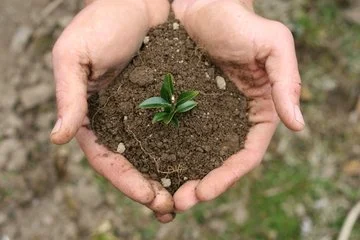
Something I've learned in my adventures with Tapping is that there is an intrinsic timing to the unwinding of old issues and traumas. While I absolutely believe that it's necessary to decide on and keep affirming your intent to heal from the effects of your past experiences, such healing can't be forced or willed into being. Some things can be healed surprisingly quickly. Others can have an astonishing number of aspects that will need attention before all the pieces can fall into new and healthier places. And the difference between these extremes cannot be predicted, because the psyche is a complex and mysterious thing.
Knowing and accepting this means that if you're serious about revamping old patterns, you'll get used to the idea that your best bet is to work on whatever feels most current for you today, and trust that the progress you are able to make is enough. Tapping, for instance, takes focus, energy, and a willingness to confront unpleasant feelings before the process has a chance to work and reduce them. Some days you can really make strides you'll feel proud of. Others, you get some relief but don't necessarily feel that you've resolved anything. This is sensitive work, and you're doing it in the context of your life's many moving parts, including all the influences of the outside world over which you have little control. The road can seem excruciatingly long and confusing. This is where what I call constructive stubbornness comes in! Sometimes we need to disregard day-to-day feedback that might suggest our efforts are not yielding fruit. When you plant an apple tree, it takes weeks for the seed to germinate and grow up out of the soil, and it may take years to produce an apple you can hold in your hand. We live in an impatient world, but some processes just take time. If you give up on them too soon, you never get your fruit at all.
The more you fight what's true for you today, the more you'll find yourself feeling drained and demoralized. The more you can learn to celebrate small wins each day, and the overall picture of how far you've come, the more your calm, open energy will welcome in the healing you're creating. The act of worrying (note that I'm not talking here about strategic thinking, but a constant mental spinning over possible negative outcomes) is toxic. Acceptance, breathing, and appreciation for what's good in your life are forces for radical positive change. By investing continually in them, you carve out supportive space for your happiness and your journey to a state of vibrant health, wherever you may be starting.
When we're frustrated, it's so tempting to try to force things we want into being, but this approach rarely yields results that are the best we can do—and in my experience, it really doesn't work at all in the healing sphere. Frustration is a normal part of longer projects, and it can be a wake-up call to periodically assess our direction and progress, but it sometimes arises because we just don't like the wait. If what we're doing is growing an apple tree, the frustration is useless, as the tree is only ever going to grow in its own timing. In this case, it's time go back to accepting and appreciating the journey as best we can yet again. We manage our emotions through Tapping or some other daily method, and keep making healthy decisions while Nature works its magic.
Even if you're not gardening, but healing, working through the trial-and-error process may take time. You have to envision a path, take a few steps, learn from external and internal feedback, seek out new information, reformulate your vision of the next few steps, and repeat, sometimes many, many times before you reach your destination. You have a right to whatever emotions come up for you along the way, but you must find ways to process and manage them if you want to maintain a clear path to tread. It is in a sacred space of self-love, compassion, and emotional release where healing processes truly thrive. This may seem counterintuitive and even impossible as a standard, but I promise you that any progress toward maintaining this kind of internal state will help you get where you want to go faster. Here's a mantra for you: Struggle less, heal more.